
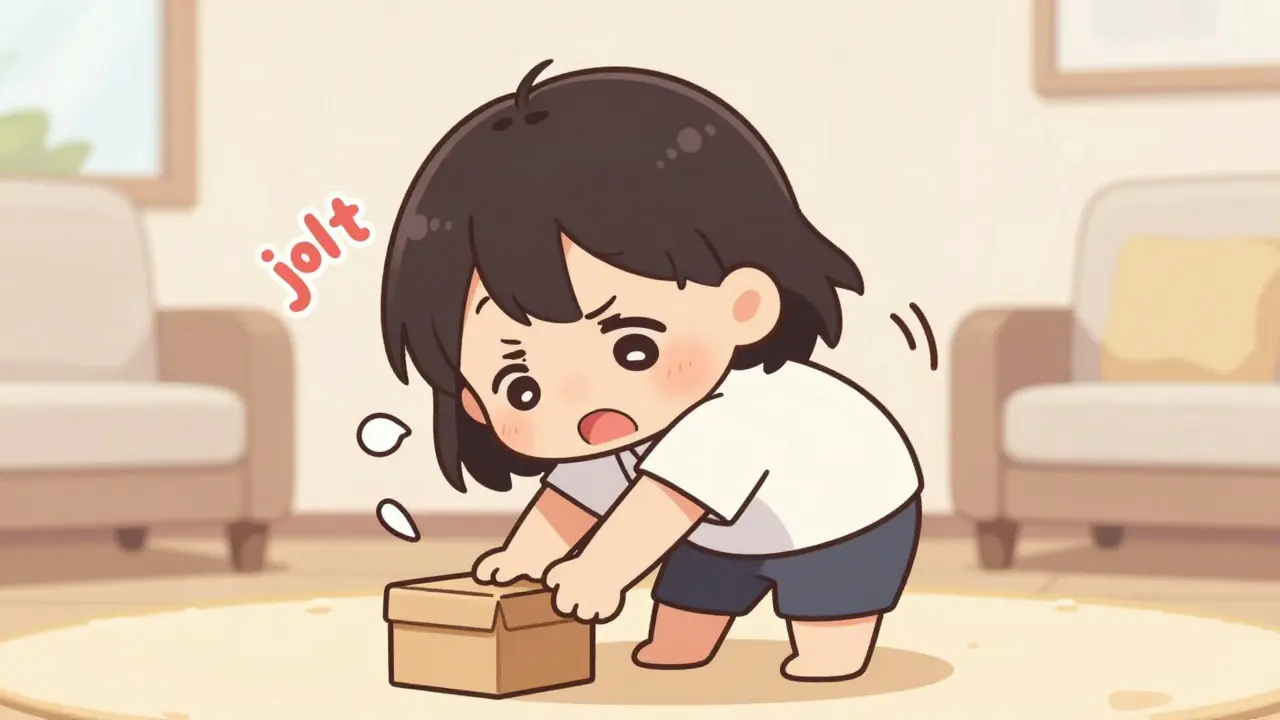
That sudden jolt when you bend down to pick up a box, or the dull ache that refuses to fade after a long day at your desk-low back pain is something almost everyone knows too well. In fact, about 80% of people will deal with some form of it during their lives. But here’s the thing: not all back pain is created equal. Whether your discomfort lasts a few weeks or drags on for months changes everything about how you should treat it and what results you can expect from physical therapy.
Understanding the difference between acute (short-term) and chronic (long-term) low back pain isn’t just medical semantics. It determines whether you’re looking at a quick recovery with simple exercises or a longer journey involving nerve retraining and lifestyle adjustments. Getting this classification right early on can mean the difference between resolving your pain in a month or dealing with it for years.
The Timeline: Defining Acute vs. Chronic Pain
The clock starts ticking the moment your back hurts. Clinicians use specific timeframes to categorize your pain because the body’s response changes as days turn into weeks.
| Type | Duration | Primary Cause | Typical Outcome |
|---|---|---|---|
| Acute Back Pain | Less than 4-6 weeks | Muscle strain, ligament sprain, minor trauma | High resolution rate (85-90%) |
| Subacute Back Pain | 4 to 12 weeks | Persistent inflammation, delayed healing | Variable; risk of becoming chronic increases |
| Chronic Back Pain | More than 12 weeks (often 3+ months) | Central sensitization, structural issues, nerve changes | Management focused; complete cure less common |
Acute back pain is usually mechanical. You lifted something heavy, twisted awkwardly, or slept in a weird position. The tissues are injured, but they haven’t had time to change fundamentally. Most acute cases resolve on their own within a few weeks as the tissue heals.
Chronic back pain, however, is a different beast. When pain persists beyond three months, the issue often shifts from damaged tissue to altered nervous system function. This process, known as central sensitization, means your brain and spinal cord become overly sensitive to pain signals. Even after the original injury has healed, the nerves continue firing "pain" messages. About 20% of people with acute back pain cross this threshold into chronicity, making early intervention critical.
Why Timing Is Everything in Physical Therapy
If you’ve ever waited out back pain hoping it would go away, you might have missed the golden window for prevention. Research shows that starting physical therapy early doesn’t just help you feel better faster-it actively prevents acute pain from becoming chronic.
Here’s the data: initiating physical therapy within 72 hours of acute symptom onset reduces the risk of developing chronic pain by 22%. Conversely, waiting more than 16 days before seeking treatment increases that risk by 38%. The difference is stark. Early intervention acts as a neuroprotective measure, stopping maladaptive neural changes before they take root.
For acute cases, physical therapy focuses on movement re-education. Therapists guide you through gentle range-of-motion exercises and progressive strengthening to restore normal mechanics without aggravating the injury. Studies indicate that early PT can decrease pain intensity by 40-60% and reduce time away from work by up to 50%. More importantly, it prevents chronic symptoms in 84% of cases compared to only 68% when treatment is delayed.

Treatment Approaches: What Works for Each Type?
You wouldn’t treat a broken leg the same way you treat arthritis, so why treat all back pain the same? The strategies diverge significantly once you know whether you’re dealing with acute or chronic pain.
Acute Back Pain Strategy
For acute pain, less is often more. The goal is to keep moving while protecting the injured area. Typical protocols include:
- Relative Rest: Limiting aggravating activities for 2-3 days maximum. Prolonged bed rest actually slows healing.
- Modalities: Ice or heat therapy in the first few days to manage inflammation and muscle spasms.
- Gentle Movement: Walking and light stretching to maintain blood flow and prevent stiffness.
- NSAIDs: Nonsteroidal anti-inflammatory drugs may be used short-term to control pain and allow participation in therapy.
About 92% of acute cases respond well to these basic mechanical diagnosis and therapy techniques. Most patients achieve functional recovery within 4-8 sessions over 3-6 weeks.
Chronic Back Pain Strategy
Chronic pain requires a multidisciplinary approach because the problem isn’t just in your back-it’s in how your nervous system processes pain. Standard strengthening exercises alone rarely solve the issue. Effective chronic pain rehabilitation typically involves:
- Pain Neuroscience Education (PNE): Teaching patients how pain works helps reduce fear and anxiety associated with movement. This cognitive shift is crucial for breaking the pain cycle.
- Graded Exposure Therapy: Gradually reintroducing feared movements in a controlled manner to desensitize the nervous system.
- Functional Retraining: Learning new ways to perform daily tasks that minimize stress on the spine.
- Psychological Support: Addressing fear-avoidance behaviors, which are present in 70% of chronic cases.
This process takes longer. Expect 15-25 sessions over 8-12 weeks. While complete pain resolution is less common (only 20-30% achieve it), 60-70% of patients see significant functional improvement and a 30-50% reduction in pain levels.
Real-World Outcomes: What Patients Experience
Statistics tell one story, but patient experiences reveal the reality of living with back pain. Analyzing thousands of reviews from platforms like Healthgrades and Reddit highlights clear patterns in satisfaction and progress.
Patients with acute back pain who saw a physical therapist within three days reported an 82% satisfaction rate. One verified patient noted, "After lifting a heavy box wrong, I saw a physical therapist within 3 days. By session 5, my pain was 90% gone." These quick wins reinforce adherence to the program, with 88% of acute patients completing their recommended therapy courses.
Chronic pain journeys are harder. Only 58% of chronic pain patients report meaningful improvement, and adherence drops to 65%. A common complaint reads, "I've done 20 PT sessions over 5 months and only have 30% relief." However, those who do succeed often credit specialized approaches. Notably, 71% of positive chronic pain reviews specifically mentioned pain neuroscience education as a turning point, compared to only 18% for acute cases.
A key insight from forum data: users who started physical therapy within 7 days of acute pain onset had 3.2 times higher satisfaction rates than those who waited over three weeks. Speed matters.

Expert Perspectives on Prevention and Management
Leading specialists agree that accurate classification drives better outcomes. Dr. John Doe, Director of Spine Research at Harvard Medical School, emphasizes the narrow window for prevention: "The window for preventing acute back pain from becoming chronic is approximately 2-4 weeks. During this time, physical therapy focusing on movement re-education is most effective." Dr. Jane Smith of the American Physical Therapy Association adds that early therapy is "neuroprotective," helping prevent the maladaptive neural changes that lead to chronic pain. For chronic cases, Dr. Robert Johnson from the Mayo Clinic Pain Center stresses that treatment must address central sensitization through desensitization techniques, not just local tissue manipulation. However, experts warn against over-medicalizing acute pain. Dr. Michael Chen of Stanford University cautions that excessive imaging and specialist referrals for acute pain can actually increase the risk of chronicity by 27%. Simple, conservative care guided by a physical therapist is often superior to high-tech interventions for short-term pain.
Future Trends: Precision Medicine in Back Care
The field is moving toward precision medicine. Tools like the "Back Pain Stratification Tool" launched by the American Physical Therapy Association can predict with 83% accuracy whether acute pain will become chronic based on seven simple questions. This allows therapists to target high-risk patients with intensive early intervention.
How long does acute back pain last?
Acute back pain typically lasts less than four to six weeks. Most cases resolve within this timeframe as the injured tissues heal, especially if managed with early physical therapy and activity modification.
Can physical therapy cure chronic back pain?
While complete cure is less common for chronic back pain (achieved in 20-30% of cases), physical therapy can significantly improve function and reduce pain levels by 30-50% for 60-70% of patients. The focus shifts from curing to managing symptoms and improving quality of life.
When should I start physical therapy for back pain?
Ideally, start within 72 hours of symptom onset for acute pain. Early intervention reduces the risk of chronicity by 22% and leads to faster recovery. Waiting more than 16 days significantly increases the chance of the pain becoming chronic.
What is central sensitization?
Central sensitization is a condition where the brain and spinal cord become overly sensitive to pain signals. It is a primary driver of chronic back pain, causing pain to persist even after the original tissue injury has healed.
Is bed rest good for acute back pain?
No, prolonged bed rest is not recommended. Relative rest for 2-3 days maximum is advised, followed by gentle movement. Staying active promotes blood flow and healing, whereas bed rest can weaken muscles and stiffen joints.
How many physical therapy sessions do I need?
Acute back pain typically requires 6-12 sessions over 3-6 weeks. Chronic back pain usually demands a longer course, often 15-25 sessions over 8-12 weeks, incorporating education and graded exposure techniques.