
When a patient takes a generic drug and suddenly develops a rash, dizziness, or trouble breathing, most people assume it’s just a side effect. But what if it’s not? What if that reaction is a warning sign that the generic version isn’t behaving like it should? That’s where pharmacists come in - not just as dispensers, but as the last line of defense in catching hidden dangers.
Why Generic Medications Need Extra Attention
Generic drugs are supposed to be identical to their brand-name counterparts in strength, dosage, and effectiveness. But "identical" doesn’t always mean "identical in effect." The FDA requires generics to have the same active ingredient and meet strict bioequivalence standards. Yet, differences in inactive ingredients - like fillers, dyes, or preservatives - can trigger reactions in sensitive patients. These aren’t always obvious. A patient might switch from one generic brand to another and suddenly feel worse. Or they might notice a new symptom after a refill that came from a different manufacturer.Pharmacists are often the first to notice these patterns. They see the same patient week after week. They know their history. They hear complaints during counseling. When a patient says, "This pill makes me nauseous, but the last one didn’t," that’s not just a complaint - it’s a red flag.
What Pharmacists Are Legally Required to Do
In many places, reporting adverse events isn’t optional - it’s part of the job. In British Columbia, the law is clear: if a pharmacist identifies a possible adverse drug reaction, they must notify the prescriber, update the PharmaNet record, and report it to Health Canada. That’s not a suggestion. That’s a professional duty.Other states and provinces are catching up. While federal U.S. law doesn’t force pharmacists to report, the FDA strongly encourages it - especially for serious reactions. These include events that lead to hospitalization, disability, birth defects, or death. Even if you’re not legally required, failing to report means missing a chance to stop harm before it spreads.
And here’s the hard truth: most reports don’t come from doctors. They come from pharmacists. The FDA’s FAERS database - which holds over 24 million reports since 1968 - gets nearly all its data from manufacturers, who get it from healthcare providers. Pharmacists are the bridge between the patient and that system.
What Counts as an Adverse Event?
Not every side effect is an adverse event worth reporting. The Ontario College of Pharmacists defines an adverse drug reaction as a harmful, unintended effect from a medicine. But what makes it reportable? Look for these signs:- The reaction is unexpected - not listed in the drug’s official leaflet.
- It’s serious - causes hospitalization, permanent damage, or threatens life.
- It’s new - the patient never had this issue with the same drug before.
- It’s linked to a change - like switching from one generic brand to another.
For example, a patient on generic levothyroxine suddenly develops heart palpitations and weight loss - even though their dose hasn’t changed. That’s not normal. It could be a formulation issue. Reporting it could help identify a batch problem before more people are affected.
The Hidden Problem: Under-Reporting
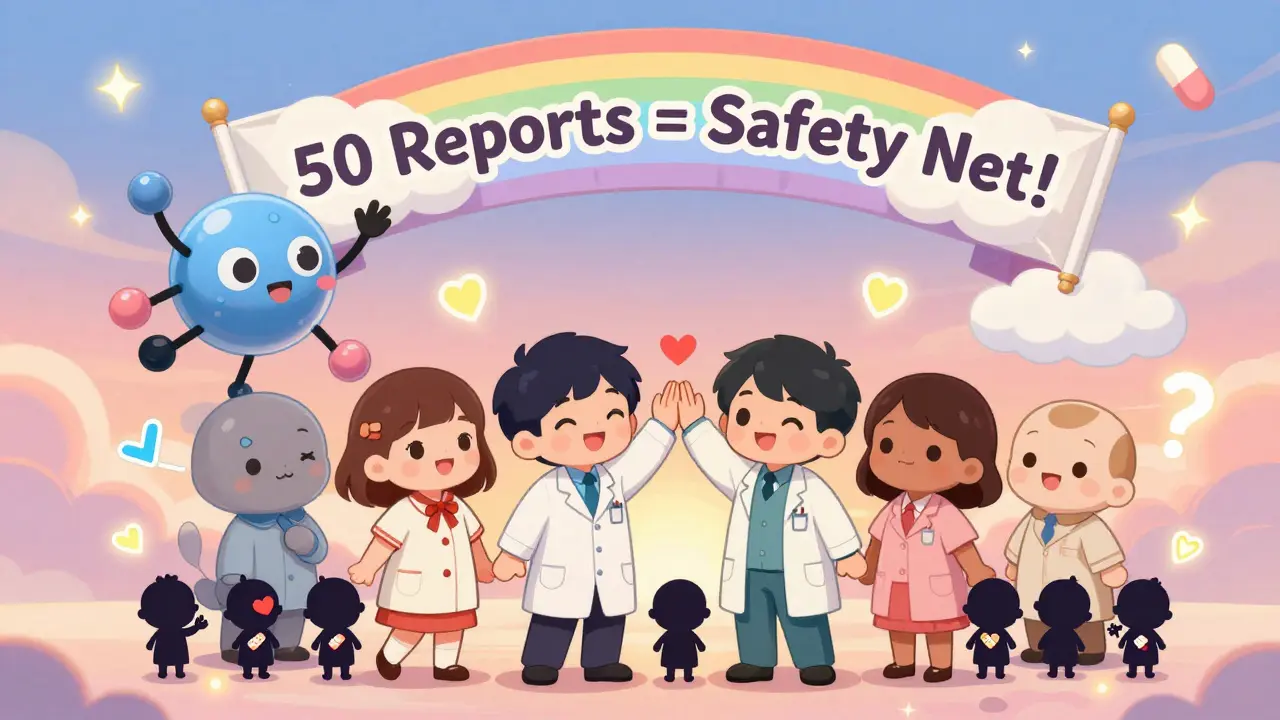
Health Canada estimates only 5-10% of all adverse reactions are ever reported. For generic drugs, it’s likely worse. Why? Because people assume generics are safe by default. Pharmacists themselves often don’t realize they’re supposed to report. A 2021 survey found that 62% of community pharmacists say they don’t have enough time to file reports. Another 45% admit they’re unsure what qualifies as reportable.That’s dangerous. If no one reports, regulators can’t detect trends. A single report might seem small. But 50 reports of the same reaction across different pharmacies? That’s a signal. That’s how drug safety issues get caught early.
One study in the Journal of the American Pharmacists Association showed that when pharmacists were trained and given easy tools to report, adverse event documentation jumped by 37%. But only 28% of pharmacists consistently reported non-serious - yet unusual - reactions. That’s a huge gap. You don’t have to wait for a hospital visit to act. If something feels off, report it.
How to Report: Simple Steps for Busy Pharmacists
You don’t need a PhD in pharmacovigilance to report. Here’s how to do it in under 10 minutes:- Confirm it’s an adverse event. Ask: Is this new? Is it serious? Is it linked to the medication?
- Document the details. Patient name (or identifier), drug name (including manufacturer), dose, start date, reaction description, onset time, outcome.
- Choose your reporting tool. In the U.S., use MedWatch Online (FDA’s portal). In Canada, use Health Canada’s online form. Some states now integrate reporting directly into pharmacy software.
- Submit it. You don’t need proof. You just need suspicion. The system is designed to collect even uncertain reports.
- Follow up with the patient. Let them know you’ve reported it. It builds trust and encourages future communication.
Many pharmacy systems now have built-in reporting buttons. If yours doesn’t, ask your vendor. The National Association of Boards of Pharmacy has already helped 32 states add this feature. California and Texas saw reporting time drop by 40% after integration.
Why This Matters More for Generics
Dr. Michael Cohen from the Institute for Safe Medication Practices puts it bluntly: "When patients react to generics, pharmacists are often the first to spot bioequivalence issues or excipient problems that prescribers miss."Brand-name drugs have years of post-market data. Generics? Not so much. They’re approved based on lab tests, not real-world patient outcomes. That means hidden problems can slip through - until a patient gets sick.
One case in 2021 involved a generic version of a blood pressure medication. Over 20 patients across three states reported sudden spikes in blood pressure after switching brands. The reaction wasn’t listed. No one knew why. But because a few pharmacists reported it, the FDA traced it to a change in the coating - which altered how the drug dissolved. They recalled the batch. That’s what reporting does.
The Future Is Here - And It’s Mandatory
The European Medicines Agency made reporting mandatory for all healthcare workers in 2012. Result? Reporting rates jumped 220%. Now, North America is watching. By 2025, industry analysts predict 75% of U.S. states will follow British Columbia’s lead and make pharmacist reporting a legal requirement.It’s not about adding paperwork. It’s about protecting people. Every report you file adds to a safety net that could save someone’s life - or prevent a nationwide recall.
What You Can Do Today
You don’t need to wait for new laws or training programs. Start now:- Make a habit of asking patients: "Have you noticed anything different since your last refill?"
- Keep a simple log of unusual reactions you hear - even if you’re not sure.
- Check your pharmacy’s reporting system. If it’s clunky, push for an upgrade.
- Talk to your colleagues. Share examples. Normalize reporting.
Pharmacists are trusted. Patients tell you things they won’t tell their doctors. That’s not just a privilege - it’s a responsibility. The system relies on you to speak up. Don’t wait for someone else to notice the problem. You’re already the one who sees it.
Do pharmacists have to report adverse events by law?
It depends on where you practice. In British Columbia, reporting adverse drug reactions is legally required under the Health Professions Act. In most U.S. states, it’s not mandatory by federal law, but the FDA strongly encourages it - especially for serious reactions. Some states are moving toward mandatory reporting, and professional standards expect pharmacists to report as part of their duty of care.
What if I’m not sure if a reaction is serious enough to report?
Report it anyway. The system is designed to filter out noise. You don’t need to be certain - just suspicious. If a patient reports a new, unexpected symptom after taking a generic drug, even if it seems minor, document and report it. What seems like a small issue could be the first sign of a larger pattern. The FDA and Health Canada receive over 2 million reports annually - and they use all of them to spot trends.
Can I report an adverse event for a generic drug even if the brand-name version is fine?
Yes - and you should. Generic drugs must meet bioequivalence standards, but they can differ in inactive ingredients like dyes, fillers, or coatings. These differences can cause reactions in sensitive patients. A reaction to a generic doesn’t mean the brand-name drug is unsafe - it means that specific generic formulation may have an issue. Reporting helps regulators identify which manufacturer or batch is problematic.
How long does it take to file an adverse event report?
It takes about 10-15 minutes if you have the details ready. Most online systems, like FDA’s MedWatch, are designed for quick submission. You’ll need the patient’s age, drug name (including manufacturer), dose, reaction description, and when it started. Many pharmacy software systems now auto-fill parts of the form. If yours doesn’t, ask your vendor - integration is becoming standard.
Why do so few pharmacists report adverse events?
The main reasons are time pressure and lack of awareness. A 2021 survey found that 62% of pharmacists say they don’t have enough time during their shift to report. Another 45% admit they’re unsure what counts as reportable. Many also mistakenly believe only doctors can or should report. But pharmacists are uniquely positioned to catch these issues - and their reports are critical to national drug safety.






Payson Mattes
December 25, 2025Okay but have you ever wondered if the FDA just lets Big Pharma slip in weird fillers because they’re scared of lawsuits? I’ve seen generics with glitter in them-no joke. One guy in Ohio said his pill made his tongue glow under UV light. They called it ‘aesthetic enhancement.’ GLITTER. In medicine. Who approves this? I’m not even mad, I’m just impressed.