When you pick up a prescription at the counter, it feels like a simple exchange. You hand over your card, the pharmacist scans it, and you walk out with your medication. But behind that quick transaction lies a global journey spanning continents, involving raw materials from China or India, strict regulatory checks in the US, and complex financial negotiations between dozens of intermediaries. Understanding how generic drug supply chain works reveals why prices fluctuate, why shortages happen, and why the pill in your hand costs what it does.
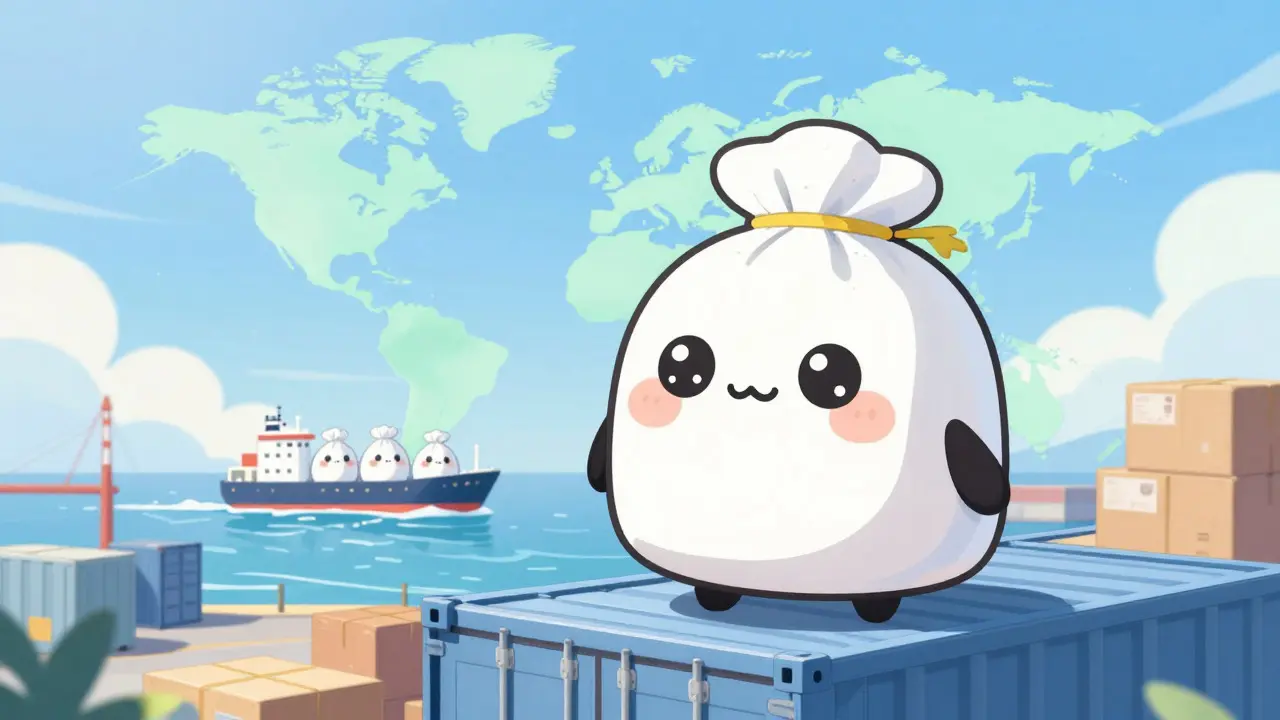
The path from chemical compound to patient is not linear; it is a web of contracts, discounts, and quality controls. For generic medications, this network has become increasingly intricate since the Hatch-Waxman Act of 1984 established the modern approval framework. Today, only 12 percent of Active Pharmaceutical Ingredient (API) manufacturing occurs in the United States, meaning the vast majority of the raw material for your medicine travels thousands of miles before it ever touches a tablet press. This globalization creates both efficiency and vulnerability, as geopolitical shifts or logistics disruptions can ripple through the entire system.
From Raw Materials to Approved Tablets
Every generic drug starts with an Active Pharmaceutical Ingredient, the biologically active component that makes the medicine work. In most cases, these APIs are produced outside the US, primarily in China and India, where 88 percent of global API manufacturing takes place. These facilities must adhere to Good Manufacturing Practices (GMP), a set of guidelines ensuring consistent quality. However, monitoring overseas plants is challenging. Dr. David Ridley, a former FDA official, has noted that the distance creates significant quality control hurdles for regulators trying to ensure safety standards are met across borders.
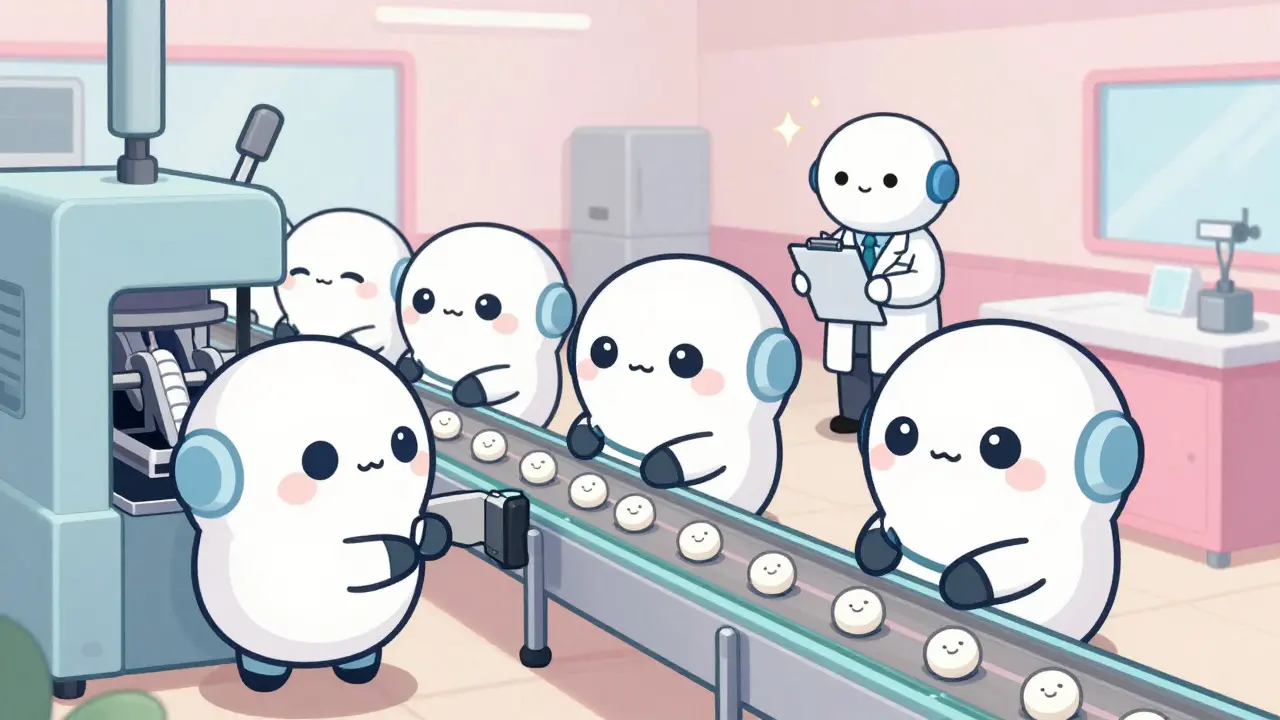
Once the API is ready, it moves to a drug manufacturer who formulates it into tablets, capsules, or liquids. To sell this product in the US, the manufacturer must secure Abbreviated New Drug Application (ANDA) approval from the Food and Drug Administration (FDA). Unlike brand-name drugs, which require full clinical trials, generics must prove therapeutic equivalence to the original reference product. This means showing that the generic version delivers the same effect, speed, and safety profile. Once approved, the manufacturer produces batches under strict GMP oversight, with quality control testing at multiple stages to catch any deviations early.
The Role of Wholesale Distributors
Manufacturers rarely sell directly to every single pharmacy in the country. Instead, they rely on a handful of large wholesale distributors. These companies act as the critical bridge between production and retail. They buy drugs in bulk, often negotiating "prompt payment discounts" where manufacturers offer lower prices if the distributor pays immediately rather than waiting 30 or 60 days. This cash flow mechanism helps manufacturers manage their finances but adds another layer of cost calculation for the final price.
Distributors then sell to pharmacies at a contracted discount off the Wholesale Acquisition Cost (WAC). The size of this discount depends heavily on the pharmacy's purchasing power. Large chains like CVS or Walgreens negotiate deeper discounts because they buy in massive volumes, while independent pharmacies may get less favorable terms unless they join group purchasing organizations. According to HHS ASPE reports, pharmacies acquire generic drugs from distributors with a larger markup percentage, albeit off a smaller base price compared to brand-name drugs. This structure means that even though generics are cheaper upfront, the margin dynamics differ significantly from those of branded medicines.
PBM Networks and Reimbursement Mechanics
Before the money changes hands, a complex adjudication process occurs behind the scenes. In the US, about two-thirds of all prescriptions are processed by Pharmacy Benefit Managers (PBMs). Three major PBMs-CVS Caremark, OptumRX, and Express Scripts-control roughly 80 percent of this market. Their role is multifaceted: they process claims, develop formularies (lists of covered drugs), negotiate rebates with manufacturers, and determine reimbursement rates for pharmacies.
This is where the concept of Maximum Allowable Cost (MAC) comes into play. Unlike brand drugs, which are reimbursed based on a percentage of their list price, generic drugs are typically reimbursed using MAC methodology. MAC sets a ceiling price for each specific strength and dosage form of an active ingredient. For example, there is one MAC price for a 10 mg atorvastatin tablet, regardless of which manufacturer produced it. This blended approach incentivizes pharmacies to find the lowest acquisition cost from wholesalers, as they keep the difference between what they pay and what the PBM reimburses. If the MAC price drops below the pharmacy's actual cost, the pharmacy loses money on that fill-a pressure cited by 68 percent of independent pharmacy owners in recent surveys.
| Feature | Generic Drugs | Brand-Name Drugs |
|---|---|---|
| Manufacturer Share of Expenditure | ~36% | ~76% |
| Reimbursement Method | Maximum Allowable Cost (MAC) | Percentage of List Price |
| Rebate Negotiations | Rarely engaged | Frequent and substantial |
| API Manufacturing Location | 88% Outside US (China/India) | Varies, often higher domestic share |
| Market Competition | High (multiple manufacturers) | Low (single source until patent expires) |
Why Generics Are Cheaper (And Why It’s Complicated)
You might wonder why generics are so much cheaper if the supply chain involves so many steps. The primary driver is competition. Once a patent expires, multiple manufacturers can enter the market. This intense rivalry drives prices down rapidly. In the generic market, half the revenue goes toward production costs, while the rest is determined by other parties like PBMs and distributors. In contrast, brand manufacturers retain 76 percent of the expenditure, reflecting their monopoly status during the patent period.
However, this low-cost model creates a "race to the bottom." As margins thin, some manufacturers struggle to maintain quality or invest in new facilities. The Association for Accessible Medicines notes that the majority of the final payer cost for generics is determined by non-manufacturing factors. This structural disparity means that while patients benefit from low prices, the industry faces sustainability challenges. If margins become too slim, manufacturers may exit the market, leading to fewer options and potential shortages.
Challenges in a Globalized System
The reliance on global sourcing introduces risks that became painfully clear during the COVID-19 pandemic. When supply lines were disrupted, 170 generic medications faced shortages in the US. The lengthening of the supply chain, extending far outside national borders, makes the system vulnerable to geopolitical tensions, natural disasters, or logistical bottlenecks. To mitigate this, industry experts recommend diversified sourcing strategies, using AI for demand forecasting, and implementing blockchain technology for greater transparency.
Regulatory bodies are also adapting. The FDA increased its inspections of foreign facilities from 248 in 2010 to 641 in 2022, reflecting a heightened focus on overseas quality control. Additionally, the Inflation Reduction Act of 2022 introduced new pricing provisions that could indirectly affect generic reimbursement structures. As the market evolves, the balance between affordability, quality, and reliability remains a delicate tightrope walk for everyone involved-from the chemist in Shanghai to the pharmacist in Bristol.
What This Means for Patients and Pharmacists
For patients, the takeaway is that generic drugs are safe, effective, and essential to keeping healthcare affordable. They account for 90 percent of all prescriptions filled in the US, yet represent only 23 percent of total drug spending. This efficiency is a testament to the competitive nature of the generic market. However, awareness of the supply chain helps explain why certain drugs might occasionally be unavailable or why prices can shift unexpectedly.
For pharmacists, the operational reality is managing inventory under financial pressure. With MAC pricing often setting reimbursement ceilings, pharmacists must constantly monitor acquisition costs to avoid losses. Many are adopting sophisticated data analytics tools to pinpoint bottlenecks and respond to delays in real-time. The goal is to maintain ample stock without tying up capital in slow-moving items, a challenge that requires constant vigilance in a dynamic market.
Frequently Asked Questions
Are generic drugs exactly the same as brand-name drugs?
Yes, in terms of active ingredients, dosage, safety, strength, route of administration, performance, and labeling. The FDA requires generics to demonstrate therapeutic equivalence to the brand-name reference product, meaning they work the same way in the body. Differences may exist in inactive ingredients like colors or binders, but these do not affect efficacy.
Why are generic drugs so much cheaper than brands?
The main reason is competition. Once a patent expires, multiple manufacturers can produce the same drug, driving prices down. Additionally, generic manufacturers don't have to recoup the billions spent on research and development for the original invention. Reimbursement methods like Maximum Allowable Cost (MAC) also cap prices, further reducing costs for payers and patients.
Where are most generic drug ingredients made?
Most Active Pharmaceutical Ingredients (APIs) for generic drugs are manufactured outside the United States. Approximately 88 percent of API production occurs globally, with China and India being the primary hubs. This global sourcing allows for lower production costs but introduces supply chain risks related to international logistics and regulations.
What is a PBM and why do they matter?
A Pharmacy Benefit Manager (PBM) is an intermediary that negotiates drug prices between insurers and pharmacies. They process claims, create formularies, and determine how much pharmacies get paid for dispensing drugs. In the US, three major PBMs control about 80 percent of the market, giving them significant influence over drug availability and pricing.
Can generic drug shortages happen?
Yes, shortages can occur due to various factors such as manufacturing issues, raw material scarcity, or logistical disruptions. Because the supply chain is global and relies on few key suppliers for APIs, any disruption can have a widespread impact. During the pandemic, for instance, 170 generic medications faced shortages in the US, highlighting the system's vulnerabilities.