
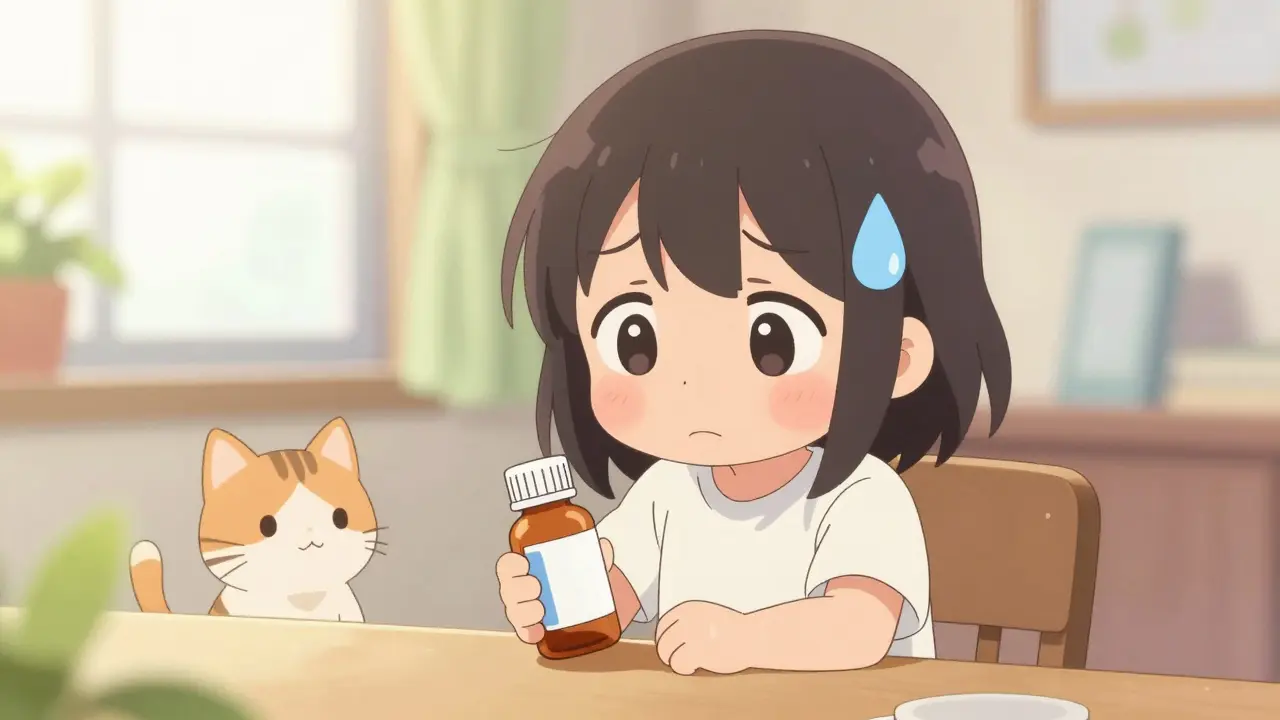
Imagine you get home from a doctor's visit, look at your prescription bottle, and realize the dose is double what you discussed during your appointment. Or perhaps you notice your medication looks different, or you've had a reaction that your provider didn't warn you about. That sinking feeling in your stomach is a signal that something is wrong. While it's tempting to just call the pharmacy or hope for the best, the most effective way to protect yourself and others is to report the issue directly to your clinic. Your voice is a critical tool in a system designed to catch mistakes before they become dangerous.
Reporting a medication safety concern isn't about getting someone in trouble; it's about fixing a broken process. Whether it was a simple typo in a digital chart or a confusing label that led to a dosing error, reporting helps the clinic implement a permanent fix. When you speak up, you aren't just solving your own problem-you're potentially preventing the same mistake from happening to the next patient who walks through their doors.
Quick Summary of Reporting Steps
- Gather your evidence: Collect the medication bottle, the prescription slip, and a list of your symptoms.
- Act fast: Report the concern the same day you find it for the most accurate investigation.
- Use the right channel: Use the patient portal, call the nursing station, or speak with the front desk.
- Ask for the expert: Specifically request to speak with the Patient Safety Officer if you feel your concerns aren't being addressed.
- Expect a timeline: Most accredited clinics should acknowledge your report within 24 hours and provide an update within 72 hours.
What Exactly Are You Reporting?
Not every concern is a full-blown error. In the world of healthcare, there's a big difference between an adverse event and a "near miss." A near miss happens when a mistake was made-like a doctor writing the wrong dose-but it was caught before you ever took the pill. Both are equally important to report. If the clinic catches a pattern of near misses with a specific drug, they can change their workflow to stop an actual error from occurring.
Common issues you should report include:
- Look-alike/Sound-alike (LASA) errors: When two medications have similar names or packaging, leading to the wrong one being dispensed.
- Dosing discrepancies: The amount of medication you received doesn't match what was discussed.
- Administration errors: Being given a medication via the wrong route (e.g., a topical cream that should have been an oral pill).
- Unexpected reactions: Side effects that feel abnormal or were not listed as common risks for your specific health profile.
How to Document Your Concern for Maximum Impact
When you report a concern, the clinic needs concrete data to perform a "root cause analysis." Vague descriptions like "the medicine felt wrong" are hard to act on. To get a fast and effective resolution, treat your report like a factual log. Provide the specific attributes of the medication and the timeline of events.
Include these details in your report:
- Medication Specifics: The exact name of the drug, the dosage (e.g., 20mg), and the frequency (e.g., twice daily).
- The Discrepancy: Exactly what was wrong. For example: "The doctor told me 10mg, but the bottle says 20mg."
- Timing: When you picked up the medication and exactly when you noticed the error.
- Physical Evidence: If using a patient portal, upload a clear photo of the prescription label and the medication packaging.
- Patient Impact: Any symptoms you experienced after taking the medication, or if you caught the error before taking it.
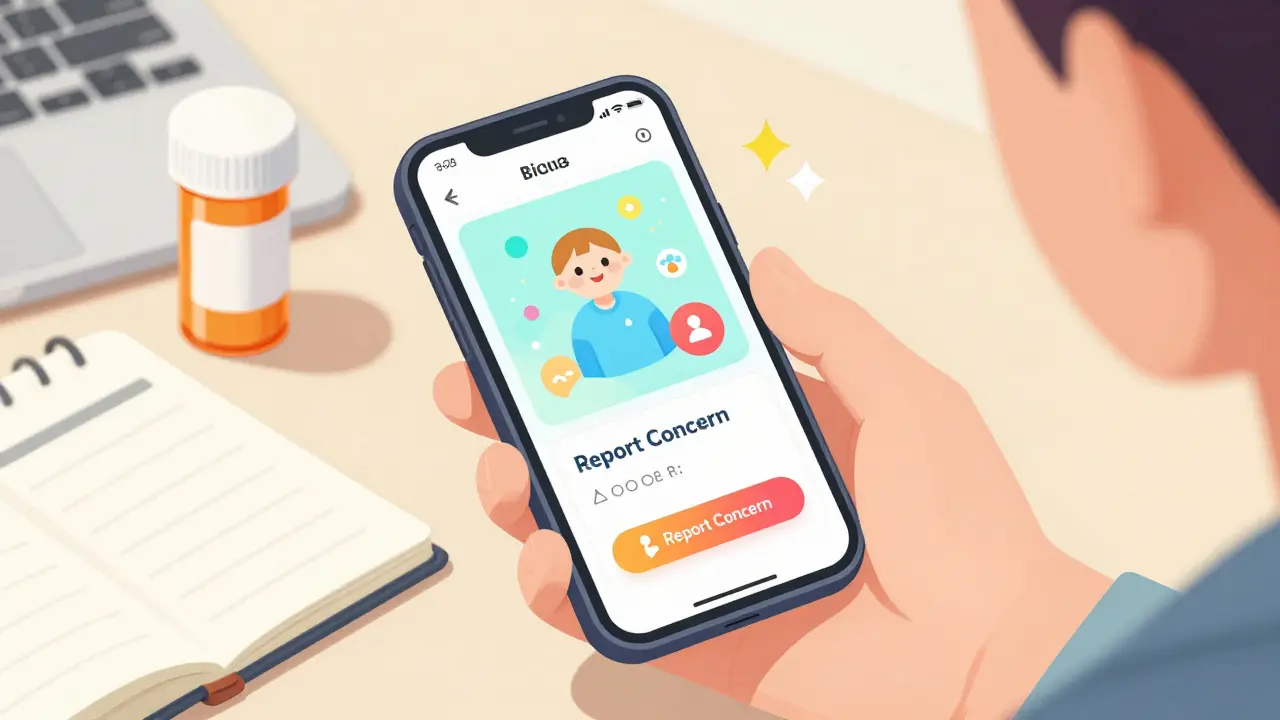
Choosing the Right Reporting Channel
Depending on the urgency, different channels offer different levels of speed. If you are currently experiencing a severe allergic reaction, call 911 or go to the ER first. For safety concerns, however, your clinic likely has several ways to get the word out.
| Channel | Best For... | Speed of Response | Documentation Level |
|---|---|---|---|
| Patient Portal | Non-urgent, photo-heavy reports | Moderate (Hours to Days) | High (Written record) |
| Nursing Station/Phone | Urgent clarification of dose | Fast (Minutes to Hours) | Medium (Verbal then logged) |
| Front Desk/In-Person | Immediate physical evidence | Immediate | Medium (Hand-off) |
| Safety Hotline | Formal complaints/Serious errors | Fast | High (Structured form) |
Many modern clinics use Epic's safety reporting modules, which integrate your report directly into your Electronic Health Record (EHR). This means your doctor sees the flag immediately when they open your chart.
Navigating the Clinic's Response
Once you hit "submit" or hang up the phone, what actually happens? In a well-run clinic, your report triggers an automated workflow. It doesn't just sit in an inbox; it is assigned to a safety officer who categorizes the error. Many facilities use the NCC MERP Index, a 9-point scale that ranks errors from Category A (a situation that could lead to an error) all the way to Category I (the error resulted in death).
You should expect a professional, non-punitive response. A "just culture" in healthcare means the clinic focuses on why the system failed rather than who to blame. If a nurse made a typo, the clinic shouldn't just reprimand the nurse; they should ask if the software is confusing or if the clinic was understaffed that day. This is why you should insist on knowing what changes were made. If you are told "we've handled it," ask specifically: "What system change was implemented to prevent this from happening again?"
If you encounter a dismissive response-such as being told to simply report it to the FDA MedWatch system instead of the clinic addressing it internally-this is a red flag. External reporting is for national trend tracking, but internal reporting is for immediate local fixes. If the clinic refuses to document the error internally, you may need to escalate the issue to the clinic manager or the state board of pharmacy.
Your Rights and Legal Protections
It can be intimidating to report a mistake, fearing you might disrupt your relationship with your provider. However, the Patient Safety and Quality Improvement Act of 2005 provides a framework that encourages the transparent reporting of safety events. Clinics are incentivized to find and fix these errors because their accreditation-often managed by The Joint Commission-depends on having a functional internal reporting process.
Furthermore, the Centers for Medicare & Medicaid Services (CMS) has strict conditions of participation that require clinics to handle these concerns properly. You have a right to an explanation of the actions taken following a reported safety event. If the clinic is accredited, they are legally and ethically bound to analyze the risk and mitigate it.
What if I'm afraid the doctor will be angry that I reported a mistake?
Most modern healthcare providers view safety reporting as a tool for improvement, not a personal attack. High-quality clinics foster a "blame-free culture" where identifying a system flaw is seen as a win for patient safety. Your doctor would likely prefer to know about a mistake now than to deal with a severe medical complication later.
How long should I wait for a response after reporting?
You should receive a confirmation that your report was received within 24 hours. For a detailed explanation of the investigation and the corrective actions taken, you should expect a follow-up within 72 hours. If you haven't heard back in three days, it is appropriate to call the office and ask for the Patient Safety Officer.
Should I report the error to the FDA or the clinic first?
Start with the clinic. Reporting internally allows for the fastest correction of the local process and immediate changes to your specific care plan. While FDA MedWatch is excellent for tracking national patterns of drug defects or labeling issues, it does not provide the immediate, local resolution that a clinic's internal safety system does.
What happens if the clinic ignores my safety concern?
If the clinic is unresponsive or dismissive, you can escalate the issue to their Patient Safety Officer or the clinic manager. If the concern involves a serious medication error and the clinic refuses to document it, you can file a report with your State Board of Pharmacy or the Department of Health. In the U.S., accredited facilities must follow Joint Commission and CMS guidelines for safety reporting.
Do I need to be a medical expert to report a concern?
Not at all. You are the expert on your own experience. You don't need to know the clinical terminology; you just need to describe what happened and what you observed. Simple observations-like "this pill is a different color than it was last month"-are often the starting point for discovering serious systemic errors.
Next Steps for Different Scenarios
Depending on where you are in the process, your next move varies:
- If you just found the error: Stop taking the medication immediately and call the clinic's nursing line to verify the dose. Do not wait for a portal message if the dose seems dangerously high.
- If you've already reported it but got no answer: Send a follow-up message via the patient portal. This creates a time-stamped paper trail that the clinic cannot ignore during an audit.
- If the clinic fixed the error but didn't explain why it happened: Ask for a brief conversation with the provider to understand what was changed. This ensures you can spot similar issues in the future.
- If you are switching clinics due to safety concerns: Request a full copy of your medical records, including any incident reports associated with your care, to ensure your new provider has the full safety context.







Sarina Montano
April 11, 2026This is a fantastic blueprint for navigating the often labyrinthine corridors of healthcare administration. I've seen so many people just shrug off a weird pill color, but that's usually the golden thread that leads to uncovering a systemic glitch in the pharmacy's dispensing software!