
Every year, thousands of opioid-related overdoses happen not because someone bought drugs illegally, but because unused pills sat in a medicine cabinet. In 2021, over 107,000 people in the U.S. died from drug overdoses, and nearly 70% of those misused opioids they got from family or friends’ homes. The problem isn’t just about addiction-it’s about accessibility. If you’ve been prescribed opioids for surgery, injury, or chronic pain, and now have leftover pills, you’re holding something dangerous if it’s not handled correctly.
Why Proper Disposal Matters
Opioids like oxycodone, hydrocodone, and fentanyl are powerful. They work well for pain, but they’re also highly addictive. When unused, they become easy targets for teens, curious relatives, or people struggling with addiction. Studies show that 20% of prescribed opioids are never taken, and most of those end up in homes where they’re easily accessed. The CDC calls safe disposal one of the most underused tools in preventing overdose. In fact, research from Johns Hopkins found that patients given clear disposal instructions and a deactivation pouch were 3.8 times more likely to get rid of their meds safely than those who just got verbal advice.Four Safe Ways to Get Rid of Unused Opioids
There are four proven methods to dispose of opioids safely. Not all are equally easy or available everywhere, but knowing your options can save a life.1. Use a Drug Take-Back Program
This is the gold standard. The DEA runs National Prescription Drug Take Back Days twice a year, but you don’t have to wait. Over 16,900 permanent collection sites exist across the U.S., including pharmacies, hospitals, and police stations. Walgreens and Walmart alone have over 13,000 drop-off kiosks. These kiosks are secure, anonymous, and collect pills, patches, and liquids. Once collected, the drugs are incinerated at over 1,800°F-completely destroying the active ingredients. According to CDC data, this method is 98% effective at preventing diversion. To find a location near you, visit the DEA’s online locator. Just enter your ZIP code, and it shows nearby sites with hours. Most are open during regular pharmacy hours. No ID needed. No questions asked.2. Try a Deactivation Pouch
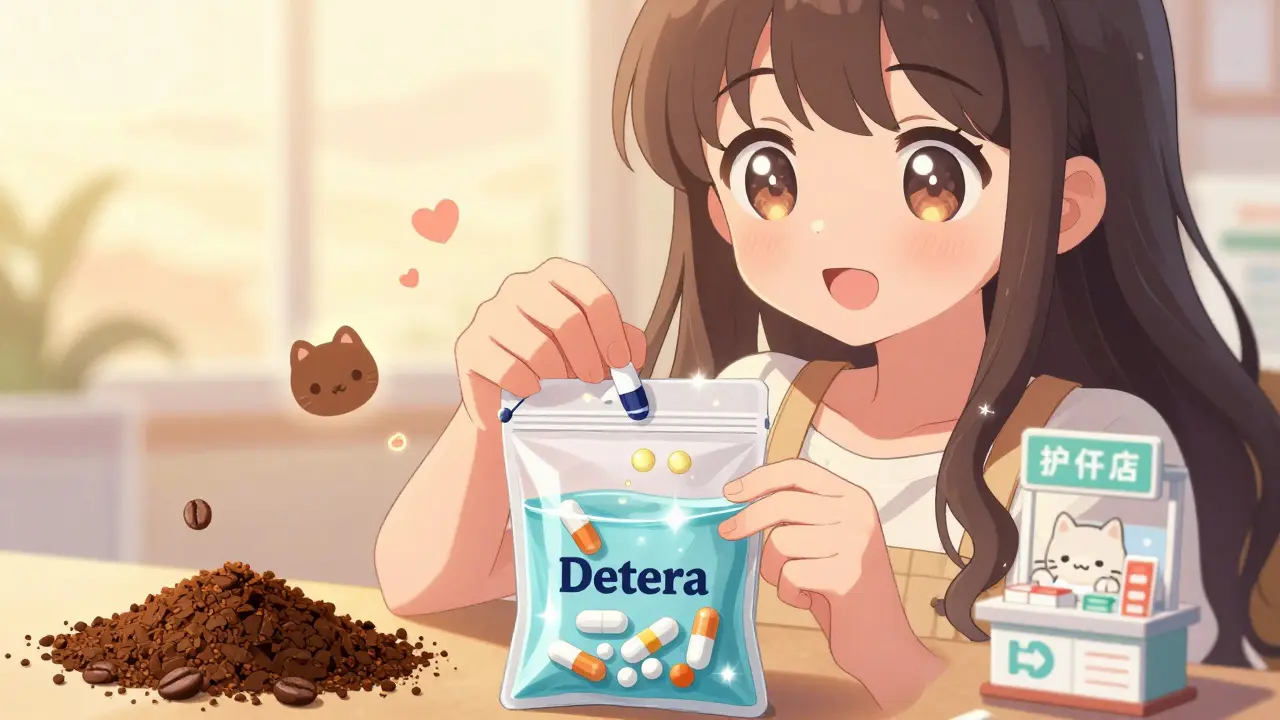
If there’s no take-back site nearby, a deactivation pouch is your next best option. These are small, biodegradable bags you can buy at pharmacies like CVS, Walgreens, or Rite Aid. Brands like Deterra and SUDS use activated carbon and pH-balancing agents to neutralize opioids in under 30 minutes. You add warm water, seal the pouch, shake it, and toss it in the trash. Lab tests show these pouches deactivate 99.9% of opioids. They cost between $2.50 and $5 per pouch-often covered by insurance or offered for free through health programs. Important: Don’t just dump pills into the pouch without water. A University of Pittsburgh study found 28% of users made this mistake, leaving drugs active. Always follow the instructions on the package.3. Household Disposal (When Nothing Else Works)
If you can’t find a take-back site or pouch, the FDA allows this method as a last resort. Mix your unused opioids with something unappetizing-like used coffee grounds, cat litter, or dirt. Add half a cup of the material to a sealable container (a jar or plastic bag works). Crush pills if they’re not patches. Seal it tightly. Then, scratch out your name and prescription number on the bottle with a permanent marker. Place the sealed container in your regular trash. This method isn’t perfect. A 2020 evaluation in Lake County, Indiana, showed it reduces diversion by 82%, but only if done correctly. Many people skip steps-like not sealing the container or leaving labels readable. That’s why it’s ranked as the least reliable option.4. Flushing (Only for Specific Medications)
The FDA allows flushing for a very short list of high-risk opioids-only 15 drugs total. This includes fentanyl patches, oxycodone tablets, and morphine sulfate. These are the ones most likely to cause fatal overdose if accidentally ingested by a child or pet. Flushing prevents that immediate danger. But don’t flush everything. Most opioids should NOT be flushed. The EPA estimates that 80% of U.S. waterways contain trace pharmaceuticals, mostly from flushing. That’s why the FDA limits this to just 12% of prescribed opioids. If your medication isn’t on the FDA Flush List, don’t flush it. Check the list on the FDA’s website or ask your pharmacist.
What Not to Do
Many people try to dispose of opioids the wrong way-and it’s dangerous.- Don’t give them away. Even to a friend with pain. That’s illegal and risky.
- Don’t pour pills down the sink. This contaminates water supplies and doesn’t destroy the drug.
- Don’t leave them in the original bottle. If someone finds it, they can still take the pills.
- Don’t wait. The longer opioids sit around, the higher the chance someone will misuse them.
Real-World Barriers and Solutions
Not everyone can access disposal options easily. Rural areas have fewer collection sites. In some counties, you might need to drive 50 miles to find one. That’s why deactivation pouches are becoming so important-they’re sold in 85% of major pharmacies. A 2022 study found that 73% of doctors don’t even mention disposal when prescribing opioids. But when patients get instructions along with their prescription-especially with visual guides or written cards-disposal rates jump from 22% to 67%. Hospitals like Mayo Clinic now include disposal instructions on discharge paperwork. Their compliance rate? 89%. If you’re a caregiver, parent, or someone helping an elderly relative, make sure you’re not just handing out pills-you’re teaching how to get rid of them.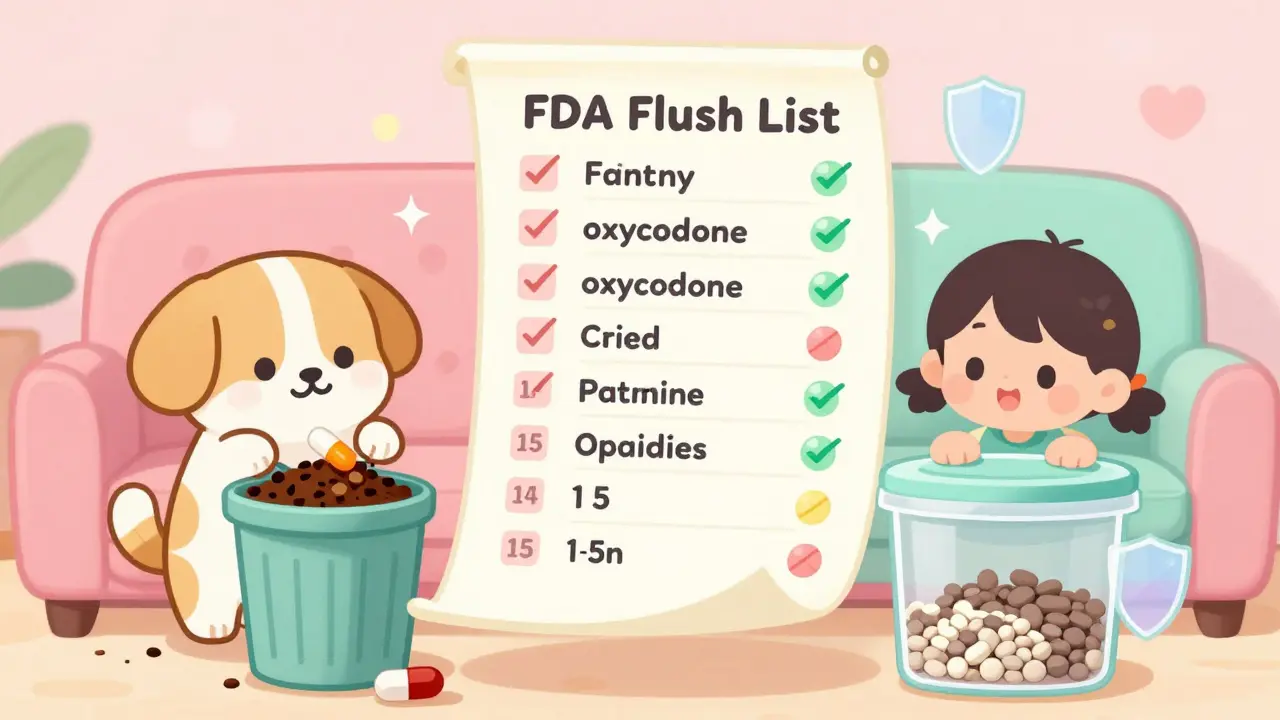
What’s Changing in 2026
The landscape is improving. The DEA added 1,200 new collection sites in 2023, mostly in Native American communities that lacked access. The FDA is testing QR-code-enabled pouches that track usage without collecting personal data. Preliminary results show a 45% increase in disposal rates where they’re used. By 2025, hospitals will be asked to report disposal compliance as part of patient satisfaction surveys. And by 2030, experts estimate that widespread, consistent disposal could prevent 8,000 to 12,000 opioid deaths every year.What You Can Do Today
You don’t need to wait for policy changes. Your action matters now.- Check your medicine cabinet. Look for any leftover opioid pills, patches, or liquids.
- Find the nearest take-back location using the DEA’s online tool. It takes 30 seconds.
- If none are nearby, buy a deactivation pouch at your pharmacy. They’re affordable and effective.
- If you can’t get a pouch or site, use the household method-with coffee grounds, sealed, and labeled.
- Flush only if your medication is on the FDA’s official Flush List.
Can I flush any opioid medication down the toilet?
No. Only 15 specific opioid medications are approved for flushing by the FDA, including fentanyl patches, oxycodone tablets, and morphine sulfate. Flushing other opioids contaminates water supplies. Always check the FDA’s official Flush List before flushing. If your medication isn’t on the list, use a take-back program, deactivation pouch, or household disposal method instead.
Are deactivation pouches really effective?
Yes. Lab tests from the University of Pittsburgh show deactivation pouches like Deterra neutralize 99.9% of opioids when used correctly. They use activated carbon and warm water to chemically break down the drugs. These pouches are widely available at pharmacies and cost under $5. They’re safer and more reliable than household disposal methods, especially in homes with children or pets.
What if I live in a rural area with no take-back sites?
You’re not alone. Rural areas often have fewer collection sites-some counties have only one for every 100,000 people. In these cases, deactivation pouches are your best option. They’re sold at 85% of major pharmacies and can be mailed to you. If pouches aren’t available, use the FDA’s household method: mix pills with coffee grounds or cat litter, seal in a container, and throw it in the trash. The key is to make the drugs unrecognizable and unappealing.
Do I need to remove pills from their original bottles before disposal?
Yes, but not always. For take-back programs, you can leave pills in their original bottles. For deactivation pouches, empty the pills directly into the pouch. For household disposal, remove pills from the bottle, crush them if possible, and mix them with absorbent material. Always scratch out your name and prescription info with a permanent marker-this protects your privacy and prevents misuse.
Why don’t doctors always tell patients how to dispose of opioids?
A 2022 report found only 38% of prescribers routinely discuss disposal. Many are overworked, or assume patients know. But research shows that when patients get clear, written instructions along with their prescription, disposal rates triple. Some hospitals now include disposal cards in discharge packets. If your doctor doesn’t mention it, ask. You have the right to know how to safely get rid of these medications.




Kal Lambert
March 18, 2026Just took my last oxycodone pill to the Walgreens kiosk today. Took 5 minutes. No ID, no questions. Done.
Stop hoarding. Someone's kid could find it tomorrow.