
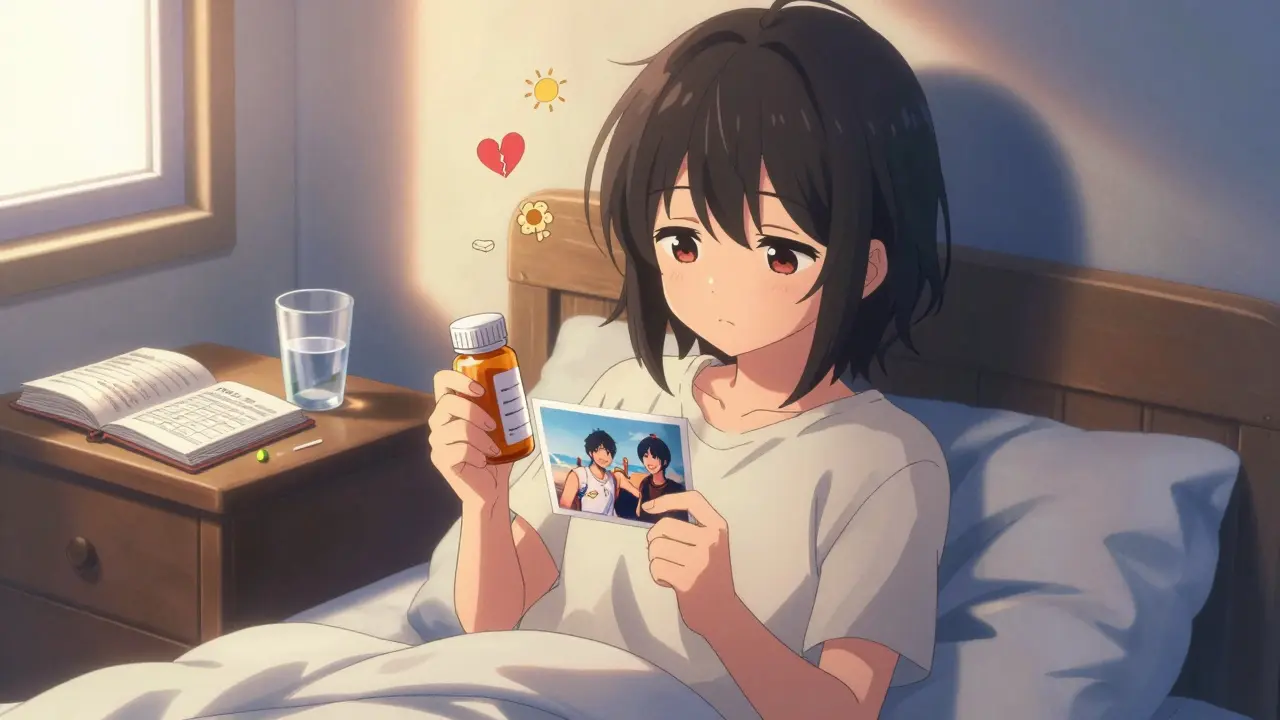
When someone takes opioids for chronic pain, they’re often hoping for relief - not a worsening mood. But for many, the very drugs meant to ease physical suffering can quietly deepen emotional pain. Between 30% and 54% of people with long-term pain also live with depression. And the link isn’t just coincidence. Research shows opioids can actually increase the risk of depression over time - even when they’re taken exactly as prescribed.
Why Opioids Might Make You Feel Worse, Not Better
At first, opioids can feel like a mood lifter. That’s because they activate the brain’s natural reward system. In the short term, they reduce pain, which naturally lifts spirits. Some people even report feeling calmer or more relaxed. But this effect doesn’t last. Over weeks or months, the brain adapts. The same receptors that once responded to pain relief start to misfire. The body produces less of its own natural painkillers - endorphins and enkephalins - because it’s getting them from the drug instead. Studies using brain imaging show that long-term opioid use changes how the brain processes emotion. The areas responsible for pleasure, motivation, and stress response become less active. People start to feel numb - not just to pain, but to joy. They lose interest in things they used to love. That’s not just sadness. That’s anhedonia, a core symptom of clinical depression. A 2020 study in JAMA Psychiatry looked at genetic data from over 300,000 people and found that those with a higher genetic tendency to use prescription opioids were also more likely to develop major depressive disorder. This wasn’t just correlation - it pointed to a possible causal link. The more opioids someone took, the higher their depression risk. People using more than 50 mg of morphine daily had over three times the risk compared to those not using opioids at all.The Vicious Cycle: Pain, Opioids, and Depression
It’s not just that opioids cause depression. Depression can also lead to more opioid use. People with untreated depression often feel pain more intensely. Their brains are wired to focus on discomfort, and they may turn to opioids not just for physical relief, but to escape emotional suffering. This creates a loop: pain leads to opioid use, which worsens mood, which makes pain feel worse, which leads to higher doses. Data from over 10 million patients shows that those with depression are twice as likely to move from short-term to long-term opioid use. They’re also more likely to get higher doses. One study found depressed patients received 2.65 times the odds of developing depression after starting opioids above 50 mg daily. It’s a trap. The drug meant to help becomes part of the problem. And it’s not just about quantity. Timing matters too. A 2013 study tracking 34,000 adults found that people using opioids weekly or daily were nearly twice as likely to develop depression compared to those using them only monthly. The longer the use, the greater the risk.Monitoring Mood: What Doctors Should Be Looking For
Most doctors screen for pain. Fewer screen for mood. Yet, the CDC’s 2016 opioid prescribing guidelines clearly state that depression is a key risk factor for opioid harm. But a 2020 study found only 39% of primary care doctors routinely checked for depression before starting opioids. Effective monitoring isn’t just about asking, “Are you feeling down?” It’s about tracking changes over time. Tools like the PHQ-9 (Patient Health Questionnaire-9) are simple, quick, and validated. It asks about sleep, energy, appetite, concentration, and feelings of hopelessness. A score above 10 suggests moderate to severe depression. Screening should happen at the start of treatment, then every three months - or monthly during the first six months if the patient has a history of mental health issues. Watch for early warning signs:- Loss of interest in hobbies, family, or social events
- Increased isolation or silence
- Expressing feelings of worthlessness or guilt
- Changes in sleep - sleeping too much or too little
- Increased pain complaints without clear physical cause
Buprenorphine: A Glitch in the Pattern?
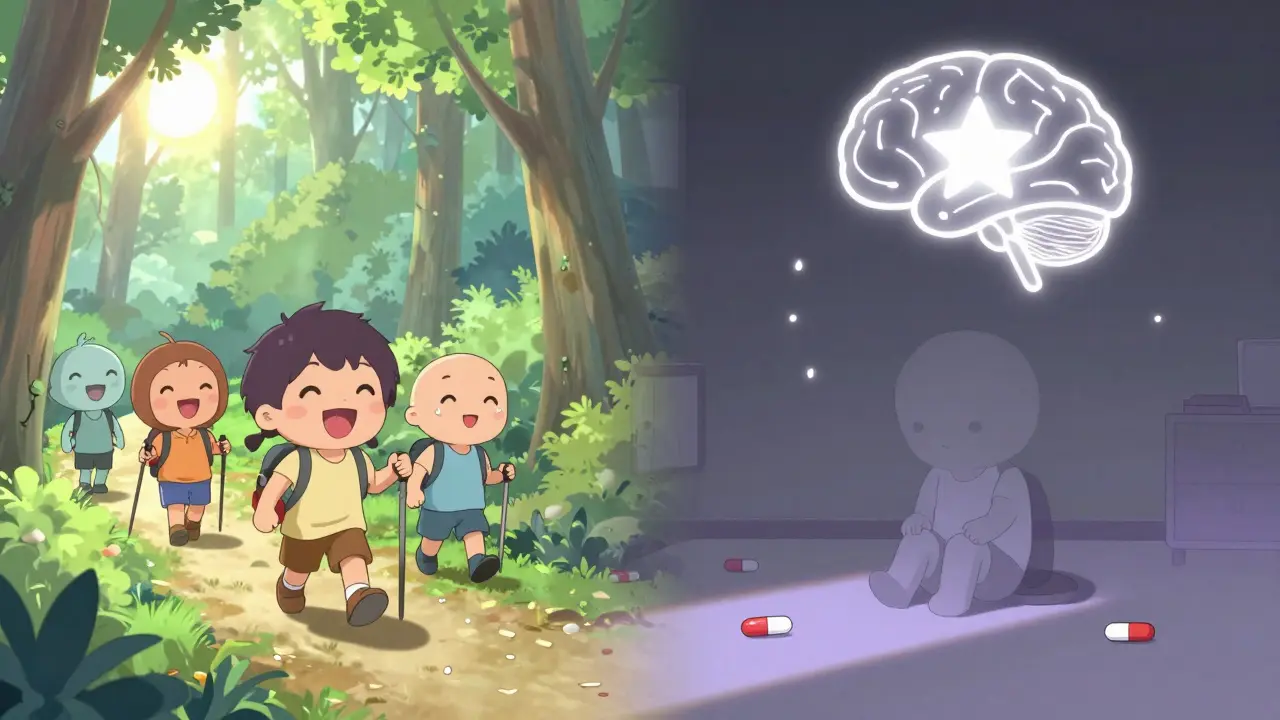
Here’s where things get complicated. Buprenorphine - a type of opioid used to treat addiction - has shown surprising antidepressant effects in clinical trials. In one study of 24 patients with opioid use disorder, their depression scores dropped from severe to mild after three months on buprenorphine. Another study found that even low doses (1-2 mg per day) helped people with treatment-resistant depression within a week. Why does this happen? Buprenorphine is a partial agonist. It doesn’t fully activate opioid receptors like morphine or oxycodone. It may stabilize the system instead of overwhelming it. But here’s the catch: it’s not FDA-approved for depression. Most doctors can’t prescribe it for that purpose, even if it helps. This isn’t a green light to use buprenorphine off-label. But it does suggest that not all opioids are the same. The dose, duration, and type matter - a lot.What Works: Treating Depression to Reduce Opioid Reliance
The best way to break the cycle isn’t to stop opioids abruptly - it’s to treat the depression alongside the pain. Cognitive behavioral therapy (CBT) has shown powerful results. In the COMBINE trial, patients who received CBT along with pain management reduced their opioid use by 32%. They didn’t just feel better emotionally - they needed fewer pills. Exercise, even light walking, improves mood and reduces pain sensitivity. Mindfulness and breathing techniques help regulate the nervous system. Sleep hygiene matters - poor sleep worsens both pain and depression. If medication is needed, SSRIs like sertraline or escitalopram are often preferred. They don’t interact dangerously with opioids and can improve both mood and pain perception.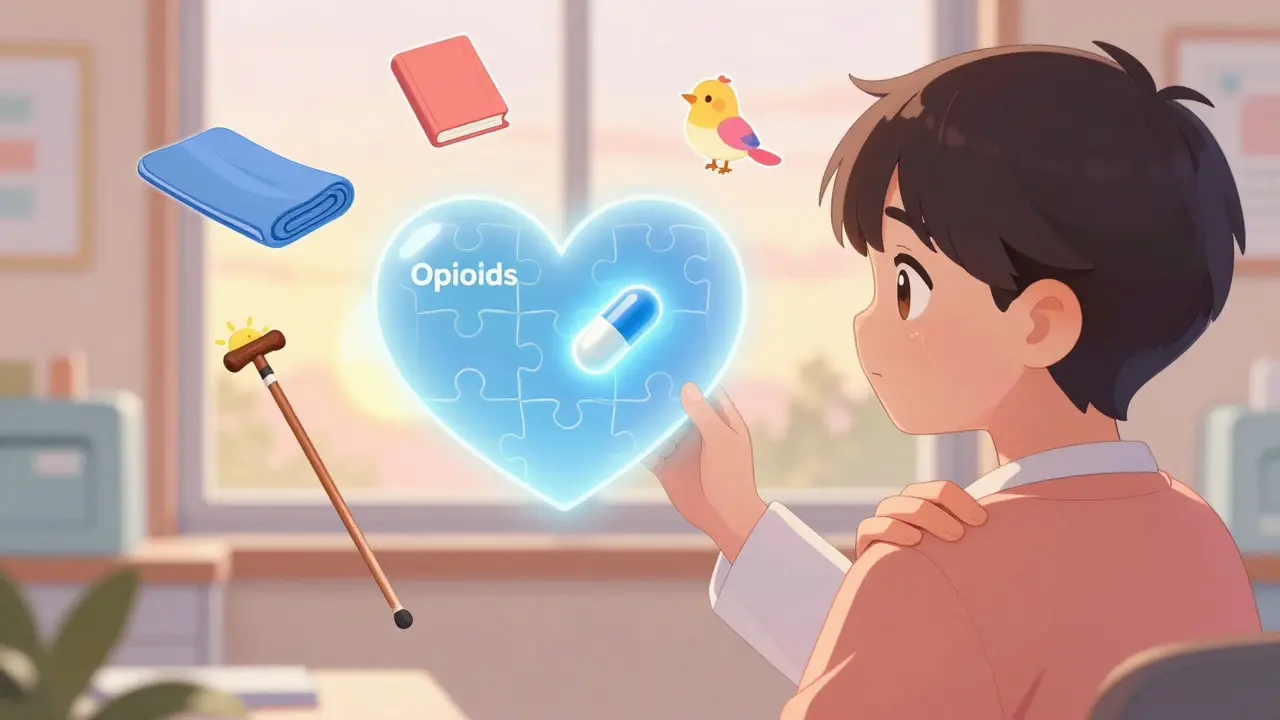
The Bottom Line: Don’t Ignore the Mood
Opioids aren’t evil. For many, they’re necessary. But they’re not harmless. If you’re on opioids for more than a few weeks, your mood needs attention - just like your pain. Don’t wait for a crisis. Don’t assume sadness is “normal” with chronic illness. Ask yourself:- Have I lost interest in things I used to enjoy?
- Do I feel numb more often than sad?
- Am I using more opioids than before to get the same effect?
- Have I stopped seeing friends or skipping appointments?





Cara C
December 20, 2025Just wanted to say this post saved me. I was on opioids for 3 years and didn’t realize my numbness wasn’t normal. I thought I was just "getting older." Started therapy, cut back slowly, and now I’m actually smiling again. Not because the pain’s gone - but because I’m back.