
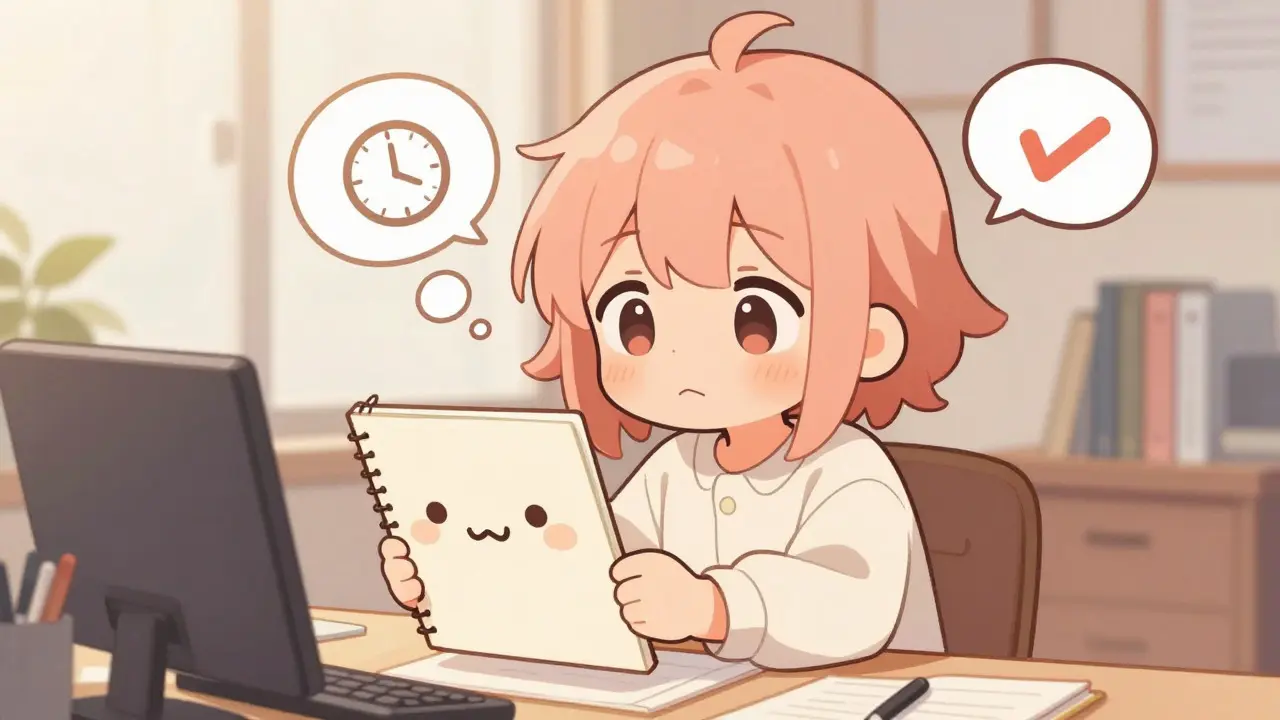
Managing Adult ADHD is a neurodevelopmental condition affecting approximately 4.4% of adults, characterized by persistent inattention, hyperactivity, and impulsivity that disrupts work, relationships, and daily life is less about "trying harder" and more about engineering a system that works with your brain, not against it. Many adults spend decades blaming themselves for missed deadlines or cluttered homes before realizing they are dealing with an executive function deficit. The good news? With the right combination of organizational strategies, professional coaching, and carefully monitored medication, you can reclaim control. This guide breaks down exactly how these three pillars interact to create sustainable stability.
Why Adult ADHD Needs a Multimodal Approach
Medication alone often fixes the engine but doesn't teach you how to drive. Research from the Journal of the American Medical Association Psychiatry shows that properly treated adults experience 30-50% reductions in symptom severity compared to untreated individuals. However, this improvement only sticks when paired with behavioral changes. If you take a stimulant but still rely on memory to remember appointments, you will fail. The goal is to reduce the cognitive load so that organizational tools actually stick. Think of medication as clearing the fog, coaching as teaching you navigation, and organization as building the road.
The core value here is quality of life. A 2024 study in Nature Mental Health found that adults using ADHD medication had a 39% lower risk of all-cause mortality (aHR 0.61) and a 25% lower risk of unintentional injuries. This suggests that treating ADHD isn't just about productivity; it's about safety and longevity. But to get there, you need to understand the specific risks and benefits of each component.
Organizational Strategies That Actually Stick
Traditional advice like "buy a planner" rarely works for brains with ADHD because it relies on consistent follow-through, which is the exact thing you lack. Instead, focus on externalizing memory and reducing friction. The most effective strategy is the Eisenhower Matrix, which categorizes tasks by urgency and importance. By visually separating "firefighting" from "strategic work," you stop feeling overwhelmed by the sheer volume of to-dos. According to the ADHD Coaches Organization, 72% of coaches incorporate this matrix into their practice because it forces prioritization rather than just listing.
Beyond task management, environmental design matters. Your physical space should cue action. For example, keeping keys in a bowl at the door eliminates the mental step of remembering where they are. Digital tools also play a role. Using apps that automate reminders reduces the reliance on internal time perception, which is often distorted in ADHD. The key is consistency over complexity. A simple system used daily beats a complex one abandoned after a week. Start with one area of chaos-like your email inbox or your morning routine-and build a repeatable protocol there before expanding.
The Role of Professional Coaching
Coaching differs from therapy. While therapy addresses past trauma or emotional regulation, ADHD coaching focuses on future-oriented goal setting and accountability. It is a practical partnership where a certified coach helps you identify barriers and implement systems. Data from a 2023 survey by the ADHD Coaches Organization indicates that 81% of clients who combined medication with coaching achieved significant improvements in time management, compared to only 58% using medication alone. This gap highlights that pharmacology enables the change, but coaching ensures it happens.
A good coach acts as an external prefrontal cortex. They help you break large projects into manageable chunks, monitor progress without judgment, and adjust strategies when things go off track. If you find yourself starting projects but never finishing them, coaching provides the structure to close the loop. Look for coaches certified through recognized bodies like ICF (International Coach Federation) or ACAP (Addiction Counseling Association). They should ask about your specific functional goals-whether that's getting a degree, managing a business, or maintaining a relationship-and build a roadmap around those outcomes.

Understanding Medication Options and Differences
ADHD medications fall into two main categories: stimulants and non-stimulants. Stimulants, such as Methylphenidate (Ritalin, Concerta) and Amphetamines (Adderall, Vyvanse), are first-line treatments due to their high efficacy. Non-stimulants, like Atomoxetine, are alternatives for those who cannot tolerate stimulants or have comorbid conditions like anxiety or tics.
| Medication Class | Examples | Onset of Action | Duration | Response Rate | Key Consideration |
|---|---|---|---|---|---|
| Stimulants (Methylphenidate) | Ritalin, Concerta | 30-60 minutes | 8-12 hours | 70-80% | Higher abuse potential; requires Schedule II prescription |
| Stimulants (Amphetamine) | Adderall, Vyvanse | 30-60 minutes | 10-14 hours | 70-80% | Vyvanse is a prodrug with lower abuse liability |
| Non-Stimulants | Atomoxetine, Guanfacine | 1-2 weeks | All day (non-specific) | 50-60% | Better cardiovascular safety profile; no controlled substance status |
As of 2022, stimulants account for 80% of adult ADHD prescriptions, with Vyvanse leading the market at 35% share. The choice between immediate-release and extended-release formulations depends on your daily rhythm. Extended-release options provide smoother coverage without the midday crash, which is crucial for maintaining focus during afternoon meetings or commutes.
Making Medication Safe: Monitoring and Risks
Safety is the biggest concern for many adults, particularly those over 40. The primary risk associated with stimulants is cardiovascular impact. A 2023 study in JAMA Psychiatry found that each additional year of stimulant use correlated with a 4% increased risk of cardiovascular disease. However, context matters. The FDA's 2011 safety review analyzed over 150,000 users and concluded that current use did not increase the rate of serious cardiovascular events overall. The discrepancy lies in long-term cumulative effects versus short-term acute risks.
To mitigate these risks, strict monitoring is non-negotiable. The American Professional Society of ADHD and Related Disorders recommends a baseline ECG for adults over 40 and annual blood pressure checks. If you have a family history of heart issues, discuss this openly with your provider. Side effects like insomnia (reported by 25% of users) and appetite suppression (35%) are common initially but often resolve within 2-4 weeks. Keeping a symptom diary helps you and your doctor track what is working and what isn't, ensuring you aren't just guessing.

Building Your Personalized Treatment Plan
There is no one-size-fits-all approach. Your plan should evolve based on your response. Start with a comprehensive assessment to rule out other conditions like thyroid disorders or sleep apnea, which can mimic ADHD symptoms. Once diagnosed, begin with a low dose of medication if prescribed, titrating up every 2-4 weeks until you reach the sweet spot where symptoms are managed without excessive side effects. Simultaneously, engage a coach to help you implement one or two organizational strategies. Don't try to overhaul your entire life in a month. Focus on small wins. Did you finish a project on time? Did you keep your workspace tidy for a week? Celebrate those. Over time, these small successes compound into significant functional improvement.
Frequently Asked Questions
Is adult ADHD curable?
No, ADHD is a lifelong neurodevelopmental condition. However, it is highly manageable. With the right combination of medication, coaching, and organizational systems, most adults achieve normal or above-average functioning in work and personal life.
What is the safest ADHD medication for older adults?
Non-stimulants like Atomoxetine are generally considered safer for older adults due to a lower risk of cardiovascular strain. However, recent studies suggest low-dose stimulants are well-tolerated in adults over 60 if monitored closely. Always consult a geriatric psychiatrist or specialist for personalized advice.
How long does it take for ADHD medication to work?
Stimulants typically work within 30-60 minutes of ingestion. Non-stimulants like Atomoxetine take 1-2 weeks to build up in your system and show full effect. Most adults find their optimal dosage within 2-3 months of starting treatment.
Can I manage ADHD without medication?
Yes, some adults manage symptoms effectively with coaching, organizational strategies, and lifestyle changes alone. However, research shows that medication combined with behavioral interventions yields better outcomes for most people with moderate to severe symptoms. It is a personal decision based on symptom severity and tolerance.
What are the signs that my medication dose needs adjustment?
Signs include returning to old patterns of distraction, experiencing significant side effects like jitteriness or insomnia, or feeling "crashed

Alyssa Penford
I am a pharmaceutical consultant with a focus on optimizing medication protocols and educating healthcare professionals. Writing helps me share insights into current pharmaceutical trends and breakthroughs. I'm passionate about advancing knowledge in the field and making complex information accessible. My goal is always to promote safe and effective drug use.
Related Posts

Prior Authorization for Generics: Why Insurance Requires Approval and How to Navigate It
May 8, 2026Popular Posts