

When your monthly medication bill feels like a second rent payment, you’re not alone. In 2024, nearly 3 in 10 Americans skipped doses or didn’t fill prescriptions because they couldn’t afford them. The good news? You don’t have to accept that cost. There’s a proven, clinically supported way to get the same health results for a fraction of the price: therapeutic alternative medication.
What Is a Therapeutic Alternative?
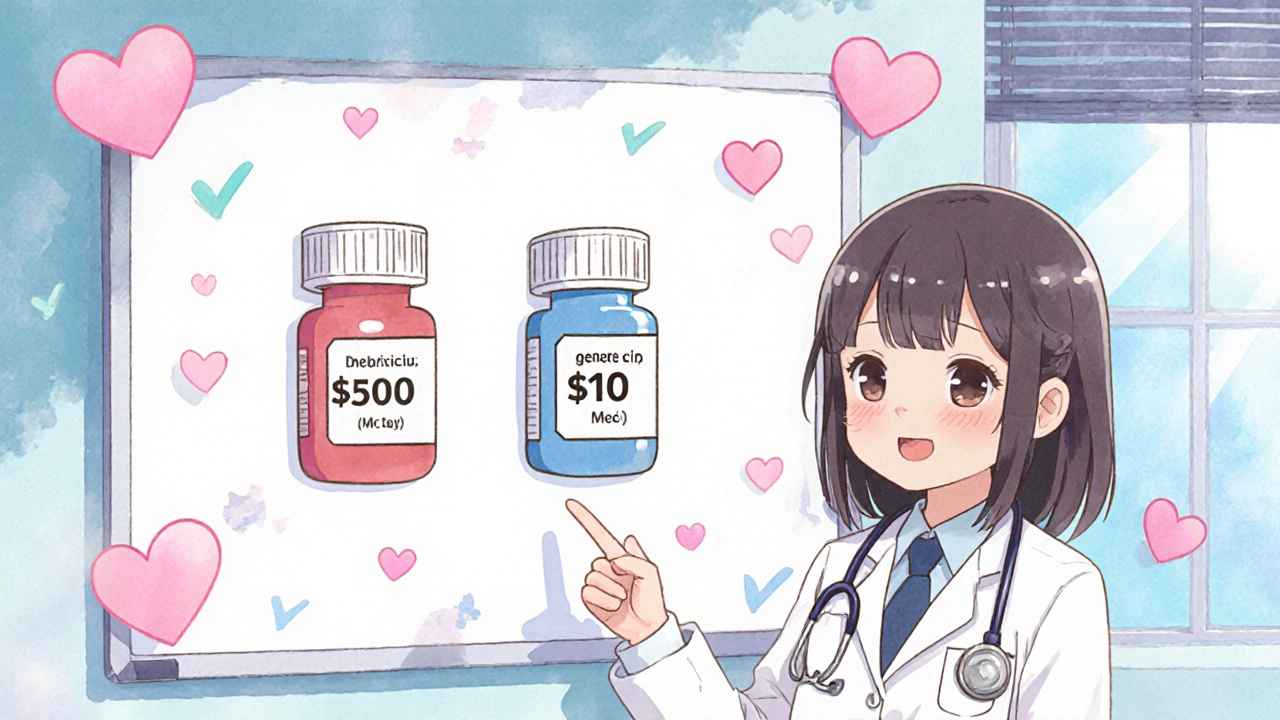
A therapeutic alternative isn’t a generic version of your drug. It’s a different medication - chemically distinct - that works just as well for your condition. For example, if you’re taking brand-name esomeprazole (Nexium) for acid reflux, your doctor could switch you to omeprazole, a generic proton pump inhibitor. The difference? Omeprazole costs about $15 a month. Nexium? Around $365. That’s a 96% drop. These swaps aren’t random guesses. They’re backed by clinical trials showing similar effectiveness and safety. The American College of Physicians requires three things before approving a swap: proven equal results, matching side effect profiles, and similar dosing. That means your blood pressure, diabetes, or cholesterol won’t suffer. You’re just paying less.Why Your Doctor Might Hesitate (And How to Help)
Many doctors know about therapeutic alternatives. But they don’t always bring them up. Why? Three reasons:- They’re busy. A 10-minute visit doesn’t leave room for deep medication reviews.
- They worry you’ll think they’re cutting corners. They fear you’ll lose trust.
- They’re not trained to spot the best swaps. Not all prescribers know which $4 generics or patient-assisted drugs are available.
Where to Find Real Cost Comparisons
Pharmacy prices vary wildly. One study found the same 30-day supply of atorvastatin (Lipitor) ranged from $3 to $180 across different stores. You need real-time data. Use GoodRx. It shows prices at nearby pharmacies - CVS, Walgreens, Walmart - and even lists coupons. For example:- Lisinopril 10mg: $4 at Walmart, $42 at some independent pharmacies
- Metformin 500mg: $5 at Costco, $68 elsewhere
- Warfarin: $10 vs. $450 for apixaban (Eliquis)
Don’t Forget Patient Assistance Programs
Some drugs don’t have cheap generics - like semaglutide (Wegovy) or secukinumab (Cosentyx). But manufacturers often have help programs. Companies like NeedyMeds, RxAssist, and the HealthWell Foundation offer copay cards or free meds to people under 400% of the federal poverty line ($60,000/year for one person in 2024). For example:- AbbVie offers up to $10,000/year in savings for Humira users.
- Novo Nordisk gives semaglutide for $25/month to eligible patients.
Extended Prescriptions = Lower Copays
If you’re on a monthly plan, ask for a 90-day supply. Most insurance plans charge the same copay for 90 days as they do for 30. That means you pay $15 once every three months instead of $15 every month - saving you $30 a year on a $15 drug, or $360 on a $120 drug. It also means fewer trips to the pharmacy. A 2020 study found patients on 90-day fills were 12-15% more likely to stick with their meds. That’s not just savings - it’s better health.When a Swap Won’t Work (And What to Do)
Not every drug has a good alternative. About 15% of specialty medications - especially biologics for cancer, MS, or psoriasis - have no proven substitutes. In those cases, you still have options. Ask for a tiering exception. If your insurance won’t cover your drug but covers a cheaper one, you can request a waiver. Medicare Part D must respond within 72 hours for urgent cases. You’ll need your doctor to write a note saying: “This drug is medically necessary. Alternatives are not appropriate.” Use Therapeutic Interchange Guidelines from the Institute for Clinical Systems Improvement. They’ve created 125 evidence-based protocols - from hypertension to depression - that you can print and give your doctor. It removes the guesswork.Real Stories: What Works
- A woman in Ohio switched from Lyrica ($450/month) to gabapentin ($15/month). Her neurologist was skeptical - until she showed data from a 2021 study proving equal pain relief. She’s been stable for 18 months. - A man in Texas swapped Xarelto ($500/month) for warfarin ($10/month). He used to skip doses 40% of the time. After the switch, he took every pill. His stroke risk dropped. - A retiree in Florida changed from Crestor to atorvastatin. Saved $380/month. Now she can afford her insulin.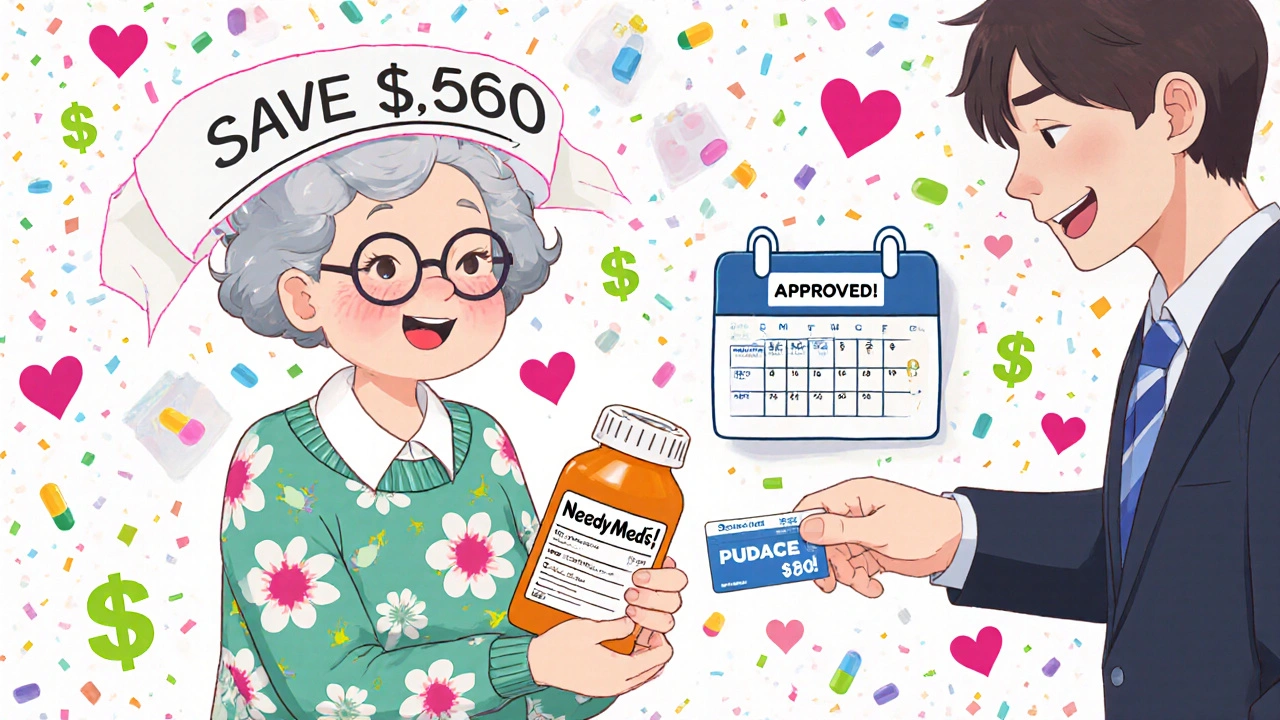
What Doesn’t Work
- Asking for a “cheaper version” without naming a specific alternative. Doctors can’t read your mind. - Assuming generics are always the answer. Some drugs have no generic. Some generics cost more than brand-name alternatives. - Waiting until you can’t pay. Start the conversation early. If you’re already skipping doses, your condition may have worsened.Next Steps: Your Action Plan
1. Make a list of every medication you take. Include dose and how often. 2. Check GoodRx for each one. Note the lowest price and the cheapest alternative. 3. Look up patient assistance programs on NeedyMeds.org. Search by drug name. 4. Write down your ask: “I’d like to try [generic name] instead of [brand name]. I’ve seen it’s equally effective and costs $X less.” 5. Bring it to your next appointment. Say: “I’ve done some research. Can we discuss this?” 6. If they say no, ask: “Can you check the formulary? Or refer me to a pharmacist who can help?” 7. If you’re on Medicare, ask about a tiering exception. Your doctor can submit it in minutes.Frequently Asked Questions
Can I just ask my pharmacist for a cheaper alternative?
Pharmacists can tell you about generic options and price differences, but they can’t switch your prescription. Only your doctor can authorize a therapeutic alternative. However, pharmacists can flag cost issues to your doctor during refill reviews - so always mention cost when picking up your med.
Will switching medications affect how well my condition is controlled?
For most common conditions - high blood pressure, diabetes, depression, acid reflux - therapeutic alternatives are just as effective. Studies show 85-90% of patients maintain the same results. But for complex cases like epilepsy, autoimmune disease, or psychiatric disorders, small differences matter. That’s why your doctor should review your history before switching. Always monitor your symptoms after a change and report any changes.
Are therapeutic alternatives covered by insurance?
Yes - if they’re on your plan’s formulary. Most insurance plans prefer cheaper alternatives and list them as preferred drugs. If your new option isn’t covered, ask for a tiering exception. Many plans approve them quickly if your doctor explains why the original drug isn’t suitable.
How long does it take to get a therapeutic alternative approved?
If your doctor writes a new prescription, you can fill it the same day. If your insurance needs prior authorization, it usually takes 2-5 business days. For urgent cases - like if you’re about to stop your meds - Medicare and most insurers must respond within 72 hours. Call your insurer if it’s taking longer.
What if my doctor refuses to switch my medication?
Ask why. If they say, “I’ve never tried it,” ask if they’ll review the data with you. If they say, “It’s not safe,” ask for evidence. You have the right to a second opinion. Consider asking a pharmacist or another doctor to review your case. Many clinics now have medication therapy management (MTM) services - ask if yours offers them.






Peter Axelberg
November 30, 2025Man, I wish I’d known about this five years ago. My dad was taking that $400/month Eliquis and just stopped because he couldn’t afford it. Ended up in the ER with a clot. We didn’t even think to ask about warfarin - thought it was some old-school junk. Turns out, it’s just as good if you monitor it. GoodRx saved us $380 a month. I printed out the price sheet and walked it into his doctor’s office. He didn’t even blink. Just said, ‘Why didn’t you bring this sooner?’