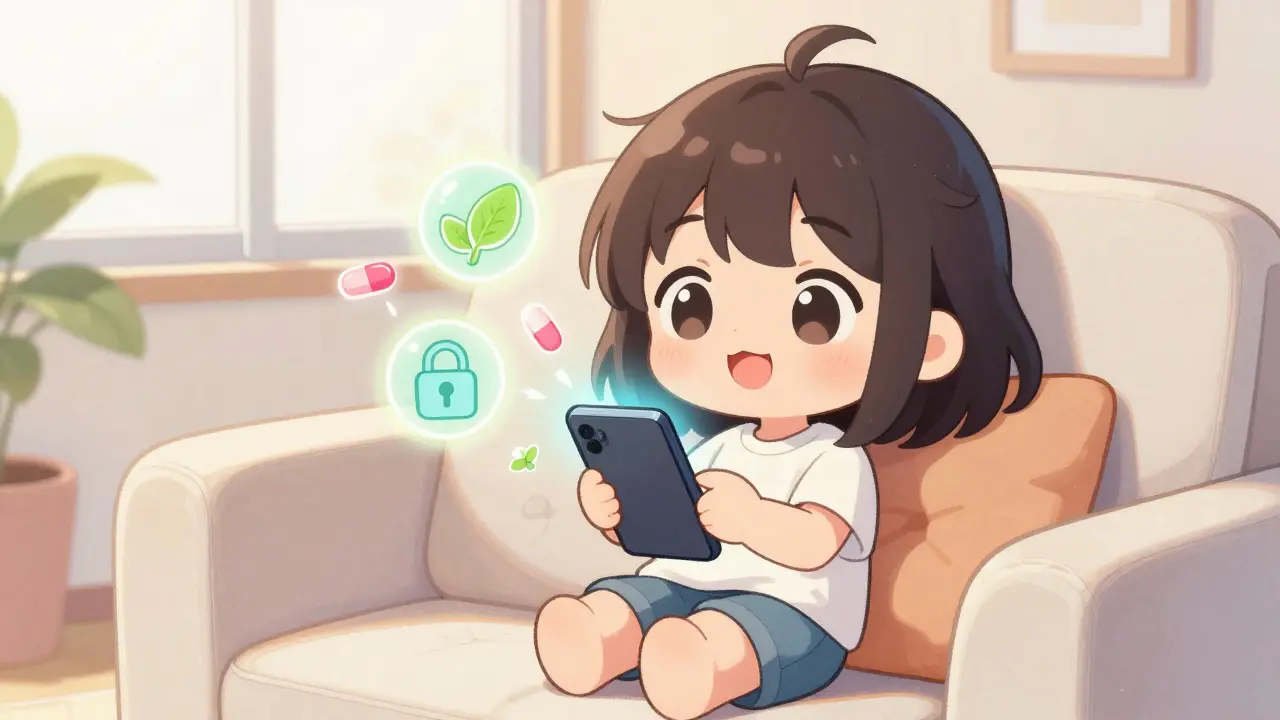
Imagine standing in a crowded pharmacy line, waiting twenty minutes just to ask if they can fax your blood pressure medication to the shop across town. It’s frustrating, time-consuming, and frankly, outdated. That era is rapidly fading. Today, you can move your prescriptions from a brick-and-mortar store to an online pharmacy that allows patients to order medications digitally for home delivery or pickup with a few taps on your phone. This process, known as digital prescription transfer that enables the electronic movement of medication orders between pharmacies without new doctor visits, has transformed how we manage our health.
The landscape shifted dramatically in late 2023 when regulations changed, making it easier than ever to switch where you get your meds. Whether you’re chasing lower prices, better customer service, or the convenience of home delivery, understanding how these digital transfers work is crucial. You don’t need a new prescription from your doctor for most medications anymore. You just need to know the rules, especially if you’re dealing with controlled substances like ADHD meds or painkillers.
Why Digital Transfers Are Faster and Safer
Gone are the days of relying on faxes that jam or phone calls that go to voicemail. Digital transfers use standardized electronic transactions defined by the National Council for Prescription Drug Programs (NCPDP). Specifically, they rely on the SCRIPT Standard Version 201900, which ensures secure, HIPAA-compliant data exchange. Think of it like sending a bank wire instead of mailing cash-it’s tracked, encrypted, and instant.
The benefits aren’t just about speed; they’re about accuracy. A 2022 study published in the Journal of the American Pharmacists Association found that digital transfers reduce errors by 47% compared to manual methods. When pharmacists manually read over the phone, mistakes happen. With digital systems, clarification requests drop from 25% in manual transfers to just 8% in electronic ones. For a patient, this means fewer delays and less anxiety about getting the wrong dosage.
| Feature | Traditional (Phone/Fax) | Digital Transfer |
|---|---|---|
| Error Rate | High (25% clarification requests) | Low (8% clarification requests) |
| Average Time | 24-72 hours | 2-28 hours |
| Patient Effort | High (calling both pharmacies) | Low (app-based initiation) |
| Security | Vulnerable to interception | HIPAA-compliant encryption |
Convenience is the biggest driver here. According to a GoodRx Consumer Survey from November 2022, 78% of users cited time savings as the primary reason for switching to online services. If you’ve ever taken half a day off work to swap pharmacies, you’ll appreciate that Amazon Pharmacy or CVS can often handle the entire handoff electronically while you’re at your desk.
The Game Changer: Controlled Substances Rules
If you take medications classified as controlled substances-such as Schedule II-V drugs including opioids, benzodiazepines, or stimulants-the rules used to be a nightmare. Previously, you couldn’t transfer these prescriptions electronically between pharmacies. You had to go back to your doctor, get a new script written, and start over. That barrier kept many people stuck with inconvenient or expensive local pharmacies.
That changed on August 28, 2023. The Drug Enforcement Administration (DEA) implemented revised regulations allowing DEA-registered pharmacies to transfer electronic prescriptions for controlled substances directly between pharmacies. This was a massive win for patient access. Dr. Ryan Crowley, Director of Pharmacy Practice at the American Pharmacists Association, called it transformative, noting it eliminates a critical barrier that previously required burdensome practitioner involvement.
However, there’s a catch. The current rule allows only one electronic transfer per prescription. Once your controlled substance script moves from Pharmacy A to Pharmacy B, it’s done. You cannot transfer it again to Pharmacy C without seeing your prescriber. This single-transfer limitation creates operational complexity. If you try to switch multiple times, you’ll hit a wall. Also, if you’ve partially filled a prescription at your original pharmacy, 63% of online pharmacies cannot accept the remaining refills due to state-specific interpretations of this rule. Always check if your partial fill status might block the transfer.
How to Transfer Your Prescription: A Step-by-Step Guide
Moving your scripts to an online platform is surprisingly simple. Most major platforms have streamlined the process to require minimal effort from you. Here is how to do it correctly:
- Gather Your Details: You’ll need your full name, date of birth, and ideally your prescription number. If you don’t have the number, the medication name and your current pharmacy’s address are usually enough.
- Choose Your Destination: Decide which online pharmacy you want to use. Popular options include Amazon Pharmacy, CVS Caremark, Walgreens, and UnitedHealth Group's OptumRx. Consider factors like insurance compatibility and delivery speed.
- Initiate the Request: Use the pharmacy’s mobile app or website. For example, Amazon Pharmacy requires just the medication name and current pharmacy info. Their system then handles the rest electronically via networks like Surescripts.
- Verify Insurance: This is where things often stall. Ensure your insurance plan recognizes the new pharmacy. Mismatched identifiers cause issues in 19% of transfers, according to Express Scripts data. Double-check that your ID matches exactly what’s on file.
- Wait for Confirmation: Non-controlled substances typically transfer within 28 hours. Controlled substances may take up to 72 hours due to additional verification steps. You should receive an email or app notification once complete.
If you run into trouble, don’t panic. Major online pharmacies offer 24/7 transfer support. Amazon Pharmacy, for instance, documents average call wait times of just 4.2 minutes, significantly faster than traditional pharmacies. Have your previous pharmacy’s NABP number handy if you need to speak to an agent.
Common Pitfalls and How to Avoid Them
Even with smooth technology, hiccups happen. Knowing what goes wrong helps you prevent delays. One major issue is insurance coordination. About 28% of users report coverage problems when transferring specialty medications. Some plans restrict which mail-order or online pharmacies they reimburse. Always call your insurer before initiating the transfer to confirm the new pharmacy is in-network.
Another common failure point involves compounded medications. These custom-made drugs lack standard barcodes or universal identifiers. A July 2023 GoodRx analysis of 15,000 transfer requests found that 68% of attempts involving compounded meds required manual intervention. If you take compounding, expect to talk to a pharmacist rather than relying solely on the app.
Fragmented records also pose a risk. The Government Accountability Office noted a 3.2% increase in duplicate therapy incidents among Medicare beneficiaries who switched to online pharmacies. This happens when the old pharmacy doesn’t update the central database quickly enough, leading to accidental double-fills. To avoid this, always cancel automatic refills at your old pharmacy immediately after confirming the transfer is successful.

Choosing the Right Online Pharmacy
Not all online pharmacies are created equal. The market is dominated by three players: CVS Health (38% market share), UnitedHealth Group's OptumRx (29%), and Amazon Pharmacy (8% but growing rapidly at 62% annually). Each has distinct strengths.
Amazon Pharmacy excels in integration for Prime members. With 200 million subscribers, their system syncs seamlessly with existing accounts, offering one-click transfers and automatic refills. They also pilot innovative features like voice-activated transfers via Alexa. However, their physical presence is limited, so if you need immediate pickup, other options might be better.
CVS offers the most extensive network. With over 10,000 brick-and-mortar locations, they can initiate transfers to their online service easily. Their first-attempt success rate is reported at 92%, making them a reliable choice for complex medication lists. Walgreens provides a middle ground, with strong app functionality and average completion times of 24-48 hours for non-controlled substances.
For those with Medicare Part D, 89% of plans now include streamlined digital transfer processes. Check your specific plan’s preferred pharmacy list. Switching to a non-preferred online provider could mean higher copays, negating the convenience benefits.
Future Trends and What to Expect
The digital prescription transfer market is booming, growing 37% year-over-year in 2022. By 2027, Gartner predicts that 75% of all new pharmacy relationships will begin with online transfers rather than in-person visits. This shift is driven by generational preferences and deeper telehealth integration.
Upcoming developments aim to solve current friction points. Surescripts is rolling out 'Transfer 2.0' protocol, which will enable real-time tracking visible to both patients and providers. Imagine seeing exactly where your transfer stands, like tracking a package. Additionally, the DEA is examining the single-transfer limitation for controlled substances. Acting Administrator Anne Milgram indicated potential rule changes based on implementation data, which could allow multiple electronic transfers in the future.
However, regulatory risks remain. State laws vary wildly. California’s SB 1056, effective January 1, 2024, imposes additional verification requirements for controlled substance transfers that sometimes conflict with federal guidelines. If you live in a state with strict pharmacy laws, keep an eye on local updates, as they can impact your ability to switch freely.
Can I transfer a controlled substance prescription online?
Yes, since August 2023, the DEA allows electronic transfers of Schedule II-V controlled substances between registered pharmacies. However, this is limited to one transfer per prescription. After moving it once, you must see your prescriber for any further changes.
How long does a digital prescription transfer take?
Non-controlled substances typically transfer within 28 hours. Controlled substances may take up to 72 hours due to stricter verification protocols. Delays can occur if patient identifiers mismatch or insurance eligibility needs review.
Do I need a new prescription from my doctor?
No, for most medications, including controlled substances under the new rules, you do not need a new prescription. The existing electronic record is transferred securely between pharmacies. Only if the transfer fails or exceeds the one-time limit for controlled substances would you need to contact your doctor.
What information do I need to start a transfer?
You generally need your full name, date of birth, the medication name, and your current pharmacy’s details. Having your prescription number speeds up the process, but many apps like Amazon or CVS can locate your records with just your name and previous pharmacy location.
Will my insurance cover the new pharmacy?
It depends on your plan. While 89% of Medicare Part D plans support digital transfers, some private insurers have restricted networks. Always verify with your insurance provider that the online pharmacy is in-network to avoid unexpected costs or claim denials.