
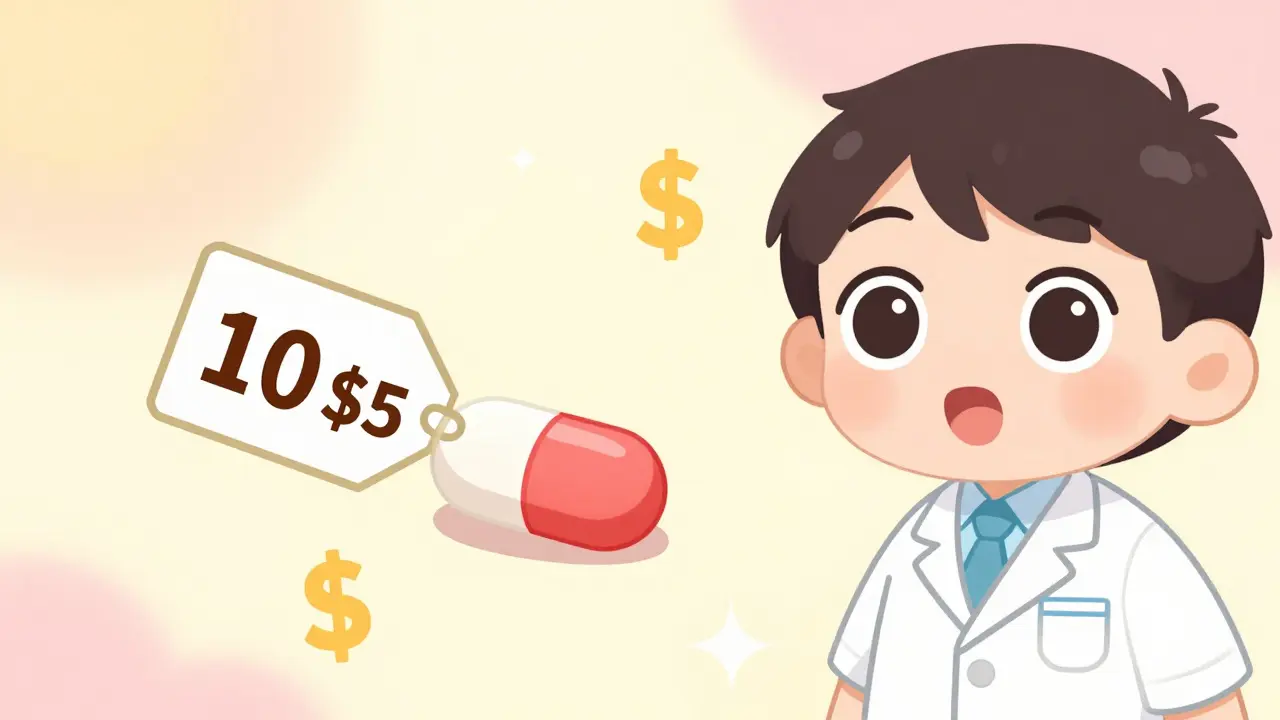
In 2010, a simple drug used for centuries-colchicine-saw its price jump from 10 cents to nearly $5 per tablet. Why? Because a company secured 10 years of regulatory exclusivity for a drug that had been around since ancient times. This isn’t an isolated case. Understanding the difference between patent exclusivity and market exclusivity is crucial for anyone in the pharmaceutical industry, healthcare, or even as a patient. These two protections shape drug availability, pricing, and competition in ways most people don’t realize.
The United States Patent and Trademark Office (USPTO)The federal agency responsible for granting patents and trademark registrations in the U.S. handles patent exclusivitya legal protection for inventions that prevents others from making, using, or selling the patented product. It gives inventors exclusive rights for 20 years from the filing date. But here’s the catch: drug development takes years. The average new drug spends 10-15 years in clinical trials before FDA approval. So by the time it hits the market, the patent clock has already ticked down to about 10-12 years of actual protection. Companies often seek extensions through Patent Term Adjustment (PTA) for USPTO delays or Patent Term Extension (PTE) for FDA review time. However, PTE can’t extend the patent beyond 14 years after approval.
Market exclusivity, granted by the Food and Drug Administration (FDA)The U.S. federal agency responsible for regulating drugs, medical devices, and other health-related products., works differently. It’s not about the invention itself but the approved drug product. Once a drug gets FDA approval, the agency won’t accept generic applications for a certain period. This protection is automatic if the drug meets specific criteria. For example, a New Chemical Entity (NCE) gets 5 years of market exclusivity. During this time, the FDA can’t approve generic versions even if the patent has expired. Orphan drugs-those treating rare diseases-get 7 years of exclusivity. Biologics, like insulin or monoclonal antibodies, receive 12 years under the Biologics Price Competition and Innovation Act (BPCIA) of 2009. Pediatric exclusivity adds 6 months to existing protections when companies conduct pediatric studies.
Key Differences Between Patent and Market Exclusivity
| Aspect | Patent Exclusivity | Market Exclusivity |
|---|---|---|
| Granting Authority | United States Patent and Trademark Office (USPTO) | Food and Drug Administration (FDA) |
| Duration | 20 years from filing date (typically 10-12 years in practice) | Varies: 5 years for New Chemical Entity (NCE), 7 years for orphan drugs, 12 years for biologics |
| Enforcement | Requires legal action by patent holder | Automatically enforced by FDA during approval process |
| Scope | Protects specific inventions (e.g., chemical formula, process) | Protects the approved drug product itself |
| Key Example | A patent on a drug's active ingredient | 5-year exclusivity for a new drug with no prior FDA approval |
The Hatch-Waxman Act of 1984 created this dual system. It’s why patents and market exclusivity often overlap. For instance, a drug might have both protections. According to FDA data from 2021, 27.8% of branded drugs have both, while 38.4% rely solely on patents. But here’s the twist: even if all patents expire, market exclusivity can still block generics. Take Trintellix, an antidepressant. Teva Pharmaceuticals tried to launch a generic version in 2021, but FDA exclusivity prevented it until 2024. That cost Teva an estimated $320 million in delayed revenue.
Generic manufacturers face unique challenges. When challenging patents, they submit a Paragraph IV certification, which triggers lawsuits. The average cost per challenge is $8.3 million, according to the Generic Pharmaceutical Association. Small biotech companies often mix up these protections. In BIO’s 2022 survey, 43% of respondents reported at least one instance where they incorrectly assumed patent protection equated to market exclusivity, leading to $1.7 million in avoidable development costs on average.
Real-world examples show how these rules impact patients. Colchicine, used for gout since ancient times, saw its price spike after Mutual Pharmaceutical secured 10 years of exclusivity for a new use. The FDA’s recently launched Exclusivity Dashboard (available since September 1, 2023) tracks all regulatory exclusivity periods in real-time. This transparency helps generic manufacturers plan entries but also intensifies competition. Meanwhile, the PREVAIL Act of 2023 proposes reducing biologics exclusivity from 12 to 10 years, reflecting growing pressure to balance innovation and affordability.
Why This Matters for Drug Development
Pharmaceutical companies strategically use both protections. Patents cover specific inventions like chemical formulas or manufacturing processes. Market exclusivity protects the entire drug product, even if it’s not novel. For example, a reformulated version of an existing drug might not qualify for a patent but could get 3 years of exclusivity for new clinical data. This flexibility helps companies extend market dominance beyond patent expiration.
The FDA’s Orange Book lists patents associated with approved drugs, but only those the holder believes could be infringed by generics. In 2022, the FTC found 68% of listed patents were secondary patents rather than composition of matter patents. This means companies often rely on multiple overlapping patents to delay generics-a practice called "patent thickets." Meanwhile, regulatory exclusivity periods have become more critical as patent challenges succeed more frequently. In 2022, 58% of new drugs approved had no composition of matter patent but still had regulatory exclusivity.
What’s Next for Drug Protection?
Global trends are shifting how exclusivity works. The World Trade Organization’s 2022 decision to waive TRIPS Agreement provisions for COVID-19 vaccines sparked debates about similar waivers for other therapies. Meanwhile, McKinsey predicts regulatory exclusivity will account for 52% of total market protection time for new drugs by 2027, up from 41% in 2020. This shift reflects how patent challenges are becoming more common and successful.
For generic manufacturers, understanding these rules is essential. The FDA’s review process for exclusivity determinations takes an average of 45 days post-approval, with 12% requiring corrections due to incomplete submissions. Companies must submit specific certifications when claiming exclusivity, which takes 120-150 hours of regulatory specialist time per application. These details determine whether generics enter the market quickly or face years of delays.
What’s the difference between patent exclusivity and market exclusivity?
Patent exclusivity is granted by the USPTO and protects specific inventions like drug formulas or processes. Market exclusivity is granted by the FDA and prevents generic approval for a set period after a drug is approved. Patents require legal enforcement, while FDA exclusivity is automatic. For example, a new drug gets 5 years of market exclusivity regardless of patent status.
Can a drug have both patent and market exclusivity?
Yes, many drugs have both. According to FDA data, 27.8% of branded drugs have overlapping protections. For instance, a drug might have a 20-year patent plus 5 years of New Chemical Entity exclusivity. This dual protection extends the time before generics can enter the market.
Why does market exclusivity matter for generic drugs?
Market exclusivity directly blocks generic competition. Even if a patent expires, FDA exclusivity can prevent generics from being approved. For example, Trintellix’s patent expired in 2021, but 3 years of market exclusivity delayed generic entry until 2024. This is why generic manufacturers closely monitor FDA exclusivity periods.
How do orphan drug exclusivity and patent protection differ?
Orphan drug exclusivity grants 7 years of market protection regardless of patents. It’s designed for rare diseases affecting fewer than 200,000 people. Unlike patents, which protect specific inventions, orphan exclusivity prevents any competing drug for the same condition, even if it’s a different molecule. This has led to cases where companies gain exclusivity for drugs that aren’t novel but target rare diseases.
What happens when patent and exclusivity periods expire?
Once both protections end, generic manufacturers can file applications with the FDA. However, some drugs have "patent thickets"-multiple overlapping patents-that delay generics even after the main patent expires. The FDA’s Orange Book lists all patents associated with a drug, but only those the patent holder believes could be infringed by generics. This complexity often leads to legal battles before generics enter the market.




Katharine Meiler
February 5, 2026Patent exclusivity under 35 U.S.C. § 154 provides a 20-year term from filing, but the actual market protection is often shorter due to FDA review. Market exclusivity, granted by the FDA under 21 U.S.C. § 355, varies: 5 years for NCEs, 7 for orphans, 12 for biologics. The Hatch-Waxman Act created this dual system, ensuring innovation while allowing generics post-protection. It's crucial to distinguish these as they impact drug pricing and access differently. For instance, Trintellix's market exclusivity delayed generics until 2024 despite patent expiry. Understanding both is key for stakeholders.