
Imagine taking a standard dose of painkillers for a headache, only to find yourself in the hospital days later with acute kidney injury. For the 37 million Americans living with chronic kidney disease (CKD), this isn't just a hypothetical scenario-it’s a daily risk. Medication safety in kidney disease is not about avoiding all drugs; it’s about understanding how your kidneys process them and adjusting doses before damage occurs. When kidney function declines, drugs that are usually safe can build up to toxic levels or directly harm the remaining healthy tissue.
The stakes are high. According to the 2023 United States Renal Data System (USRDS) report, medication-related complications contribute to 28% of hospitalizations among people with CKD. The good news? Most of these events are preventable. By understanding estimated glomerular filtration rate (eGFR) thresholds, recognizing nephrotoxic medications, and following updated guidelines from organizations like KDIGO, you can protect your kidneys while effectively managing other health conditions.
Understanding eGFR and Why It Dictates Your Dose
Your kidneys act as filters, cleaning waste from your blood. The efficiency of this filter is measured by your estimated glomerular filtration rate, or eGFR, which is a calculation based on serum creatinine, age, sex, and race that estimates how well your kidneys are filtering blood. Think of eGFR as the speed limit for your kidneys. As this number drops, so does your body’s ability to clear medications.
Most clinical guidelines, including those from the Kidney Disease: Improving Global Outcomes (KDIGO) organization, indicate that dose reductions or complete cessation of renally cleared medications becomes necessary once eGFR falls below 60 mL/min/1.73 m². This threshold marks the transition into Stage 3 CKD. Below this level, drugs that rely heavily on kidney excretion-such as certain antibiotics, diabetes medications, and heart drugs-can accumulate in your system.
- eGFR > 60: Normal or mildly decreased kidney function. Standard dosing usually applies.
- eGFR 30-59: Moderate decrease. Many drugs require dose adjustments or extended intervals between doses.
- eGFR 15-29: Severe decrease. Significant dose reductions are critical; some drugs are contraindicated.
- eGFR < 15: Kidney failure. Dialysis-dependent dosing or avoidance of many medications.
It is crucial to monitor these numbers regularly. A sudden drop in eGFR due to dehydration or infection requires immediate reevaluation of your medication list. Relying on an old eGFR value can lead to dangerous overdoses.
The Hidden Danger of Nephrotoxic Drugs
Not all medications harm kidneys by building up; some attack them directly. These are called nephrotoxins. The most common culprits are nonsteroidal anti-inflammatory drugs (NSAIDs), such as ibuprofen and naproxen. While widely available over-the-counter, NSAIDs reduce blood flow to the kidneys, which can cause acute kidney injury (AKI) even in people with previously normal function.
Consider the experience shared by 'DialysisDave' on the American Association of Kidney Patients forum. He reported taking two Advil tablets for a headache while having Stage 4 CKD. Within 48 hours, his creatinine spiked from 3.2 to 5.7 mg/dL, leading to hospitalization for AKI. This story illustrates a critical point: what seems like a minor OTC purchase can have catastrophic consequences for compromised kidneys.
Beyond NSAIDs, other classes of drugs carry nephrotoxic risks:
- Aminoglycosides: Antibiotics like gentamicin are highly effective against resistant bacteria but can permanently damage kidney tubules if not monitored closely.
- Vancomycin: Another powerful antibiotic that requires strict therapeutic drug monitoring to avoid toxicity.
- Contrast Dyes: Used in CT scans and angiograms, iodinated contrast media can cause contrast-induced nephropathy, especially in dehydrated patients.
- Certain Antivirals: Drugs like acyclovir can crystallize in the kidney tubules, causing blockage and injury.
If you need one of these medications, it doesn’t mean you must refuse treatment. It means your healthcare team must implement protective strategies, such as aggressive hydration before contrast procedures or using lower doses with extended intervals for antibiotics.
Paradigm Shifts in Diabetes and Heart Medication
Historically, doctors were cautious about prescribing strong blood pressure and diabetes medications to CKD patients, fearing they might raise serum creatinine levels. However, the KDIGO 2024 Clinical Practice Guideline has shifted this perspective dramatically. The new guidelines strongly recommend maximizing ACE inhibitors or ARBs (angiotensin receptor blockers) to the highest tolerated dose, regardless of a slight rise in creatinine. This approach is backed by evidence showing that these drugs significantly slow CKD progression and reduce cardiovascular events.
Dr. Katherine R. Tuttle, a member of the KDIGO working group, emphasizes that failing to maximize these therapies out of fear of creatinine elevation constitutes "suboptimal care." The goal is not to keep creatinine perfectly stable, but to protect the long-term structure of the kidney.
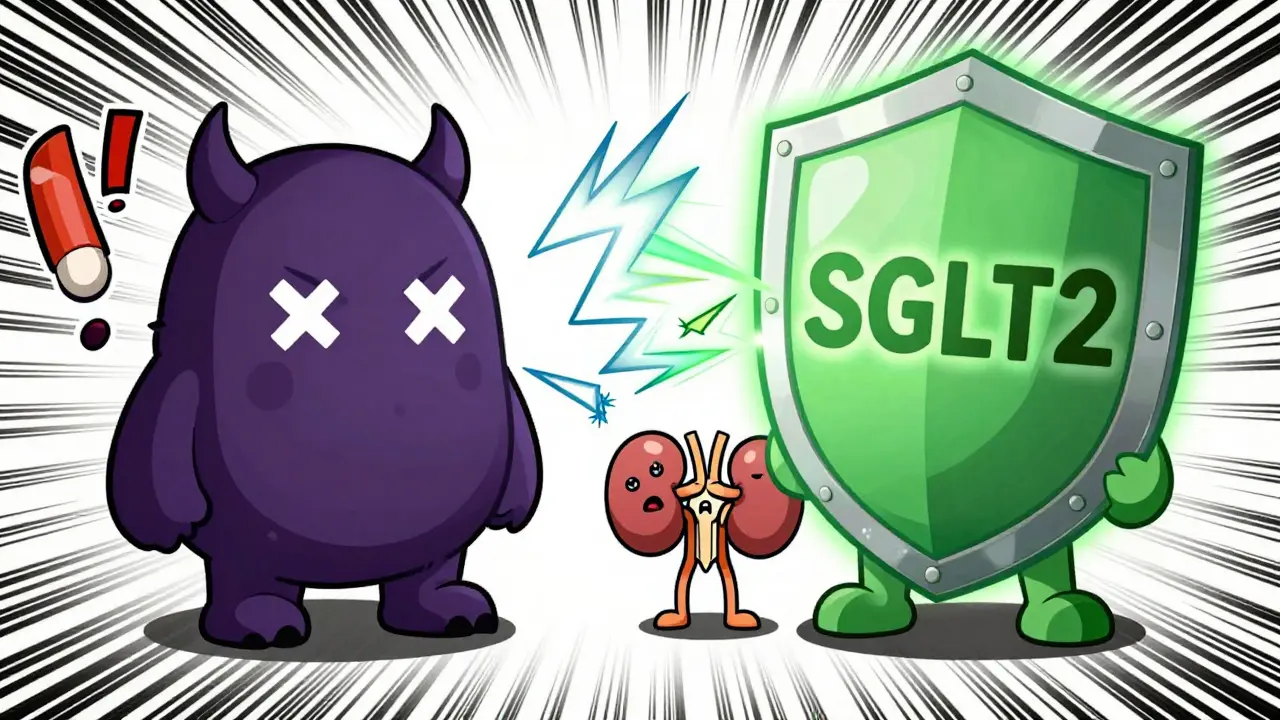
In diabetes management, another major shift involves SGLT2 inhibitors, such as dapagliflozin and empagliflozin. Unlike older drugs like metformin, which is contraindicated when eGFR drops below 30 mL/min/1.73 m² due to lactic acidosis risk, SGLT2 inhibitors do not require dose adjustment across the entire spectrum of kidney function. Dr. Mark E. Cooper notes that these drugs represent a breakthrough because they provide renal protection without the complexity of dosing changes. In fact, dapagliflozin is now recommended for CKD patients irrespective of whether they have diabetes, marking a significant expansion in their use.

Practical Steps for Safe Medication Management
Navigating medication safety in kidney disease requires a proactive partnership between you, your doctor, and your pharmacist. Here is a practical checklist to ensure your regimen is safe:
- Use a Single Pharmacy: The National Institute of Diabetes and Digestive and Kidney Diseases (NIDDK) reports that patients who use one pharmacy for all prescriptions see a 42% reduction in medication-related AKI. Pharmacists can spot dangerous interactions that individual doctors might miss.
- Request Quarterly Reviews: KDIGO recommends comprehensive medication reviews at least every three months for stages 3-5 CKD. Bring a complete list of all prescriptions, over-the-counter drugs, and supplements to these appointments.
- Ask About Therapeutic Drug Monitoring: For high-risk drugs like vancomycin or lithium, ask if trough levels should be checked more frequently. For example, vancomycin targets may differ in CKD (10-15 mcg/mL) compared to normal renal function (15-20 mcg/mL).
- Be Wary of Bowel Prep: If you need a colonoscopy, avoid sodium phosphate-based preparations. The DoD/VA Clinical Reference (August 2025) specifically recommends polyethylene glycol (PEG)-based products instead, as sodium phosphate can cause severe acute kidney injury.
- Leverage Technology: Tools like the Epocrates Renal Dosing app, used by 63% of U.S. nephrologists, can help verify appropriate doses. Ensure your electronic health record (EHR) includes your latest eGFR to trigger automatic alerts.
| Medication Class | Example Drugs | Kidney Risk / Action | Dosing Note |
|---|---|---|---|
| NSAIDs | Ibuprofen, Naproxen | High nephrotoxicity risk; reduces blood flow | Avoid entirely in advanced CKD |
| SGLT2 Inhibitors | Dapagliflozin | Renoprotective; no direct toxicity | No dose adjustment needed |
| Metformin | Glucophage | Risk of lactic acidosis if accumulated | Contraindicated if eGFR < 30 |
| ACE Inhibitors | Lisinopril | Protects kidneys long-term | Maximize dose despite slight creatinine rise |
| Aminoglycosides | Gentamicin | Direct tubular damage | Extend dosing intervals significantly |
The Role of Healthcare Systems and Future Directions
Individual vigilance is essential, but systemic support makes a massive difference. Studies show that integrated health systems, like the Veterans Health Administration, reduced inappropriate dosing by 37% after implementing mandatory eGFR-based alerts in 2019. Unfortunately, many primary care settings still lack these safeguards. A 2022 JAMA Internal Medicine study found that 23.7% of medications prescribed to CKD patients were potentially inappropriate due to missing renal dosing calculators in EHR systems.
Looking ahead, the future of medication safety lies in pharmacogenomics. Currently, 17 clinical trials are investigating how genetic variations in CYP450 enzymes affect drug metabolism in kidney impairment. This personalized approach could eventually allow doctors to predict exactly how your unique biology will handle specific drugs, moving beyond one-size-fits-all eGFR calculations.
Until then, the best defense is education and communication. Don’t assume a medication is safe just because it’s over-the-counter or commonly prescribed. Always disclose your kidney status to every healthcare provider you see, from dentists to dermatologists. Your kidneys are vital organs, and protecting them requires treating every pill with caution and respect.
Is it safe to take acetaminophen (Tylenol) with kidney disease?
Yes, acetaminophen is generally considered the safest pain reliever for people with kidney disease. Unlike NSAIDs (ibuprofen, naproxen), it does not reduce blood flow to the kidneys or cause inflammation. However, you should still follow dosage instructions carefully and consult your doctor if you have liver issues, as acetaminophen is processed by the liver.
Why do doctors want me to stay on ACE inhibitors if my creatinine goes up?
A small rise in creatinine (up to 30%) when starting or increasing ACE inhibitors is expected and actually indicates the drug is working to reduce pressure inside the kidney filters. The KDIGO 2024 guidelines emphasize that stopping these drugs prematurely due to minor creatinine increases leads to worse long-term outcomes. The benefit of slowing kidney disease progression outweighs the temporary lab change.
Do I need to adjust my dose of metformin if my eGFR is 40?
Caution is required. Metformin is typically continued if eGFR is between 30 and 45 mL/min/1.73 m², but often at a reduced dose. If your eGFR drops below 30, metformin is contraindicated due to the risk of lactic acidosis, a rare but serious condition. Always check with your nephrologist or primary care provider before continuing metformin as your kidney function changes.
What are SGLT2 inhibitors, and why are they recommended for kidney disease?
SGLT2 inhibitors, such as dapagliflozin and empagliflozin, are originally diabetes drugs that have been proven to protect the heart and kidneys. They work by reducing glucose reabsorption in the kidneys, which lowers intraglomerular pressure. Recent trials show they reduce the risk of sustained eGFR decline and end-stage kidney disease by nearly 40%. They are now recommended for many CKD patients regardless of diabetes status.
How often should I have my medications reviewed if I have Stage 3 CKD?
The KDIGO 2024 guidelines recommend comprehensive medication reviews at least quarterly (every three months) for patients with Stage 3-5 CKD. More frequent reviews are necessary during acute illnesses, hospitalizations, or if your eGFR is declining rapidly. This ensures that doses remain appropriate as your kidney function fluctuates.