Imagine a scenario where a patient arrives at the emergency department unconscious. The toxicology screen comes back positive for opioids, but also shows dangerously high levels of acetaminophen and benzodiazepines. This is not just an overdose; it is a multiple drug overdose, defined as the ingestion of potentially toxic amounts of two or more pharmacological substances either intentionally or accidentally. It represents one of the most critical medical emergencies clinicians face today. Unlike single-substance overdoses, these complex cases require simultaneous management of conflicting treatment pathways. You cannot simply treat one symptom while ignoring the other. The stakes are incredibly high. According to the World Health Organization (WHO), opioids alone caused approximately 120,000 deaths globally in 2019. Meanwhile, acetaminophen remains the leading cause of acute liver failure in the United States and Canada, accounting for over 56,000 emergency department visits annually, as documented in a 2023 study published in JAMA Network Open.
Understanding the Complexity of Mixed Toxidromes
Why are multiple drug overdoses so difficult to manage? The answer lies in the interactions between substances. When a patient ingests a combination of drugs, such as an opioid-acetaminophen mixture found in common prescription painkillers like Vicodin or Percocet, the body faces a dual threat. The opioid component suppresses breathing, while the acetaminophen component silently damages the liver. Treating the respiratory depression with naloxone, an opioid antagonist used to reverse opioid overdose does nothing to stop the liver damage. Conversely, treating the liver toxicity with acetylcysteine, an antidote that replenishes glutathione to prevent acetaminophen-induced liver injury does not restore breathing. The primary challenge for medical teams is coordinating these treatments without causing complications.
The complexity increases further when benzodiazepines are involved. Benzodiazepines depress the central nervous system, similar to opioids, but they do not respond to naloxone. If a clinician attempts to reverse the sedation using flumazenil, a benzodiazepine receptor antagonist, they risk precipitating severe withdrawal seizures in patients who are physically dependent on these drugs. This delicate balance requires a deep understanding of pharmacokinetics and careful clinical judgment. The formal management protocols for these cases began evolving significantly in the 1970s with the development of the Rumack-Matthew nomogram for acetaminophen toxicity. However, comprehensive guidelines for complex, multi-substance cases only emerged through consensus panels in the 2010s, reflecting the growing prevalence of polypharmacy overdoses.
Immediate Response: The First Critical Hours
Time is the most valuable resource in an overdose situation. For first responders and bystanders, the protocol is straightforward but life-saving. The Substance Abuse and Mental Health Services Administration (SAMHSA) outlines five essential steps for first responders. First, assess the situation to ensure safety. Second, call emergency services immediately. Third, administer naloxone if opioid involvement is suspected. Fourth, support breathing, which may include rescue breathing. Fifth, monitor the response closely. It is crucial to understand that naloxone’s effects may wear off before the opioid leaves the system. This is especially true with fentanyl-involved overdoses. Fentanyl is significantly more potent than heroin, often requiring multiple doses of naloxone to achieve reversal. The WHO recommends making naloxone available to people likely to witness overdoses, along with training in basic overdose management.
In the hospital setting, the initial assessment expands rapidly. Medical professionals must perform a full evaluation, including blood tests, observation, and psychological review. One key decision point is gastrointestinal decontamination. For acetaminophen overdose, the 2023 consensus guidelines specify that single-dose activated charcoal (SDAC) should be considered if the patient presents within four hours of ingestion. Activated charcoal works by binding to unabsorbed drugs in the stomach, preventing them from entering the bloodstream. However, this intervention has specific risks. Patients receiving activated charcoal must drink plenty of water to avoid constipation. More importantly, charcoal can interfere with the effectiveness of other medications, including oral contraceptives, necessitating alternative contraception methods. Clinicians must weigh the benefits of reducing drug absorption against the risks of aspiration, especially in patients with altered consciousness.
Acetaminophen Toxicity: Navigating the Nomogram
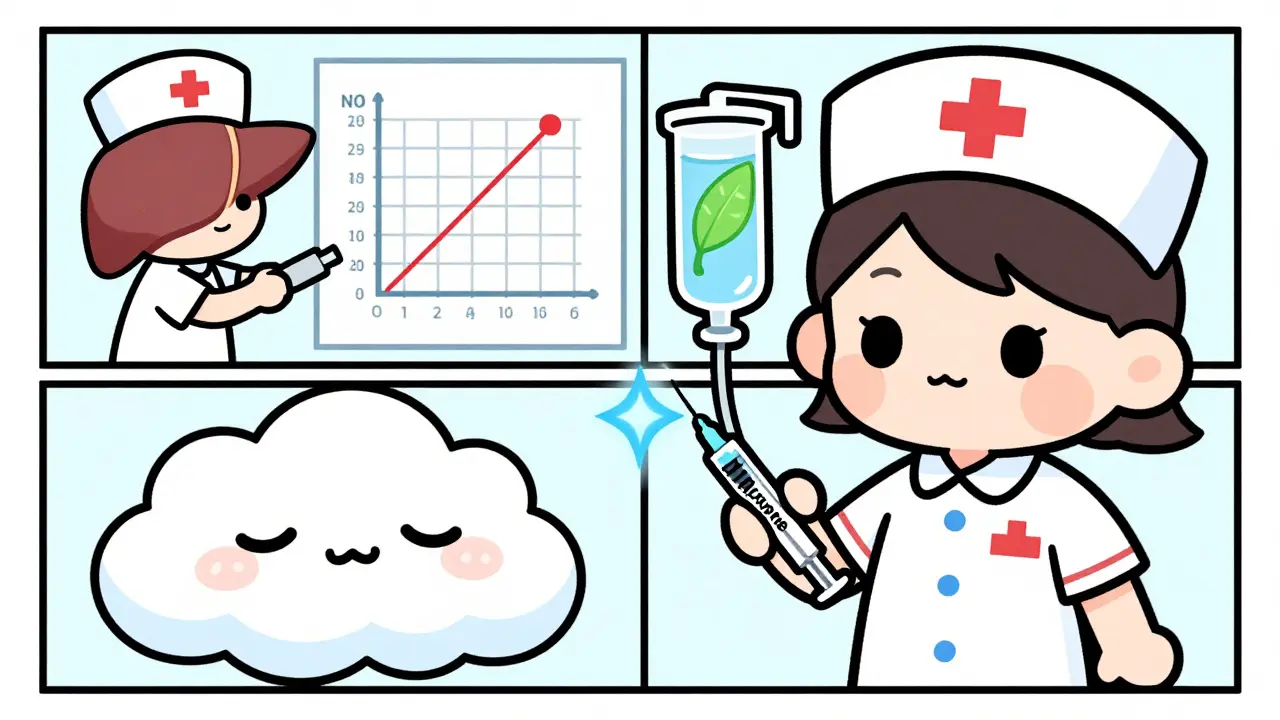
Acetaminophen is a common ingredient in many over-the-counter and prescription medications, making accidental or intentional overdose surprisingly frequent. The cornerstone of acetaminophen management is the Rumack-Matthew nomogram. This graph plots serum acetaminophen concentration against time since ingestion to predict the risk of hepatotoxicity. The 2023 JAMA Network Open consensus statement introduced significant updates to this tool. The term 'massive ingestion' has been replaced with 'high-risk ingestion,' denoted by a specific line on the nomogram. Furthermore, the definition of acute ingestion now includes presentations from four to 24 hours after overdose initiation. This revision ensures that patients presenting later still receive appropriate care.
If a patient’s acetaminophen level falls above the treatment line on the nomogram, acetylcysteine therapy must begin immediately. Acetylcysteine works by replenishing glutathione, a natural antioxidant that neutralizes the toxic metabolite of acetaminophen. Timing is critical. Treatment is most effective when started within eight hours of ingestion. For patients weighing more than 100 kg, dose calculations should be capped at 100 kg of body weight to prevent adverse effects from excessive dosing. In cases of repeated supratherapeutic ingestion, defined as multiple ingestions over more than 24 hours, management is determined by different criteria. If the acetaminophen concentration exceeds 20 μg/mL or liver enzymes (aspartate aminotransferase/alanine aminotransferase) are abnormal, acetylcysteine should be administered until specific stopping criteria are met. These criteria typically include normalizing liver enzymes and undetectable acetaminophen levels.
Opioid Management: Beyond Naloxone
While naloxone is the frontline treatment for opioid overdose, its use in multiple drug cases requires nuance. Naloxone competes with opioids for receptor sites, rapidly reversing respiratory depression. However, it has a shorter half-life than many opioids. This means symptoms can recur once the naloxone wears off. In pure opioid overdoses, SAMHSA guidelines recommend four hours of monitoring for recurrence of symptoms. In mixed overdoses, this monitoring becomes even more vital. For instance, tramadol, a synthetic opioid analgesic, responds to naloxone but typically requires repeated doses or continuous intravenous infusion due to its longer duration of action (5-6 hours). The NCBI Bookshelf's StatPearls entry on Opioid Toxicity highlights this distinction, noting that tramadol overdoses can be particularly tricky because of their dual mechanism of action involving serotonin and norepinephrine reuptake inhibition.
Fentanyl poses additional challenges. Its high potency and rapid onset mean that standard naloxone doses may be insufficient. First responders and emergency physicians must be prepared to administer multiple doses, sometimes escalating to higher concentrations. Ventilatory support, such as bag-mask ventilation, is a potentially lifesaving intervention on its own, bridging the gap until naloxone takes effect. The American Addiction Centers emphasize that even after apparent recovery with naloxone, immediate medical assessment is necessary. The life-saving effects of naloxone are temporary, and the underlying opioid toxicity remains. Patients need comprehensive evaluation to address potential long-term damage and evaluate for substance use disorders.

Enhanced Elimination and Advanced Interventions
In severe cases, standard antidotes may not be enough. Enhanced elimination techniques come into play when toxicity is extreme. Hemodialysis, for example, is recommended for severe acetaminophen toxicity under specific conditions. Indications include an acetaminophen concentration reaching 900 μg/mL or greater, accompanied by acidosis or altered consciousness. During hemodialysis, acetylcysteine infusion must continue at a rate of 12.5 mg/kg per hour to maintain therapeutic levels, as dialysis removes the antidote from the blood. This coordinated approach ensures that liver protection continues while the kidneys filter out the toxin.
Benzodiazepine components add another layer of complexity. As mentioned earlier, flumazenil is generally avoided in chronic users due to seizure risk. Instead, supportive care is the mainstay. This includes maintaining airway patency, providing oxygen, and ensuring adequate circulation. In some cases, intensive care unit admission is required for prolonged mechanical ventilation. The goal is to support the body while it metabolizes and eliminates the drugs naturally. Medical professionals must also consider chronic medical conditions that may be impacted by the overdose. For example, a patient with pre-existing liver disease will have a lower threshold for acetaminophen toxicity, requiring earlier and more aggressive intervention.
| Substance Class | Primary Antidote/Intervention | Key Considerations | Risks/Caveats |
|---|---|---|---|
| Opioids | Naloxone | May require multiple doses, especially with fentanyl | Short half-life; symptoms may recur |
| Acetaminophen | Acetylcysteine | Most effective within 8 hours; dose cap at 100kg | Anaphylactoid reactions possible |
| Benzodiazepines | Supportive Care | Avoid flumazenil in chronic users | Flumazenil can cause seizures |
| General Decontamination | Activated Charcoal | Effective within 4 hours of ingestion | Aspiration risk; interferes with other meds |
Long-Term Outcomes and Public Health Strategies
Surviving a multiple drug overdose is only the beginning. Long-term viability depends on comprehensive care that extends beyond the emergency room. Follow-up with primary care physicians is essential to assess for potential organ damage, particularly liver function after acetaminophen exposure. Equally important is the evaluation for substance use disorders. The WHO supports countries in improving coverage and quality of treatment programs for opioid dependence, recommending options like methadone and buprenorphine maintenance therapy. Integrating overdose response with long-term treatment reduces the likelihood of repeat incidents. Public health initiatives increasingly focus on this holistic approach, recognizing that saving a life in the moment is less impactful if the patient returns to high-risk behaviors without support.
Recent developments highlight the success of community-based naloxone distribution programs. In the United States, SAMHSA distributed over 265,000 naloxone kits through community programs in 2021 alone. These programs train laypeople to recognize and respond to overdoses, creating a safety net outside of hospitals. Evidence confirms that such initiatives substantially reduce overdose mortality, particularly among high-risk populations like recently incarcerated individuals who face very high overdose rates during the first four weeks post-release. By expanding access to reversal agents and education, we can mitigate the devastating impact of multiple drug overdoses on communities.
What is the difference between a single drug overdose and a multiple drug overdose?
A single drug overdose involves the ingestion of a toxic amount of one substance, allowing for targeted treatment with a specific antidote. A multiple drug overdose involves two or more substances, requiring simultaneous management of different toxicological pathways. This complexity arises because treatments for one drug may conflict with or fail to address the toxicity of another, such as using naloxone for opioids while needing acetylcysteine for acetaminophen.
How long does naloxone last in the body?
Naloxone typically lasts between 30 to 90 minutes. Because many opioids, especially fentanyl, have a longer duration of action, the effects of naloxone may wear off before the opioid is fully eliminated. This can lead to recurrent respiratory depression, known as renarcotization, necessitating continuous monitoring and potentially repeated doses of naloxone.
When should activated charcoal be used in an overdose?
Activated charcoal is most effective when administered within four hours of ingestion. It binds to unabsorbed drugs in the stomach, preventing systemic absorption. However, it is contraindicated in patients with altered consciousness or compromised airways due to the risk of aspiration. It also interferes with the absorption of other medications, including antidotes, so timing and coordination with medical staff are crucial.
Is flumazenil safe for all benzodiazepine overdoses?
No, flumazenil is not safe for all cases. While it reverses benzodiazepine sedation, it can precipitate severe withdrawal seizures in patients who are physically dependent on benzodiazepines or those who have co-ingested pro-convulsant substances. Due to this risk, supportive care is generally preferred over pharmacological reversal in emergency settings unless the diagnosis is certain and dependency is ruled out.
What are the signs of acetaminophen toxicity?
Early signs of acetaminophen toxicity may be non-specific, including nausea, vomiting, and general malaise. Severe liver damage manifests later with symptoms like right upper quadrant abdominal pain, jaundice (yellowing of skin and eyes), confusion, and bleeding tendencies. Diagnosis relies on serum acetaminophen levels plotted on the Rumack-Matthew nomogram and liver enzyme tests (AST/ALT).