
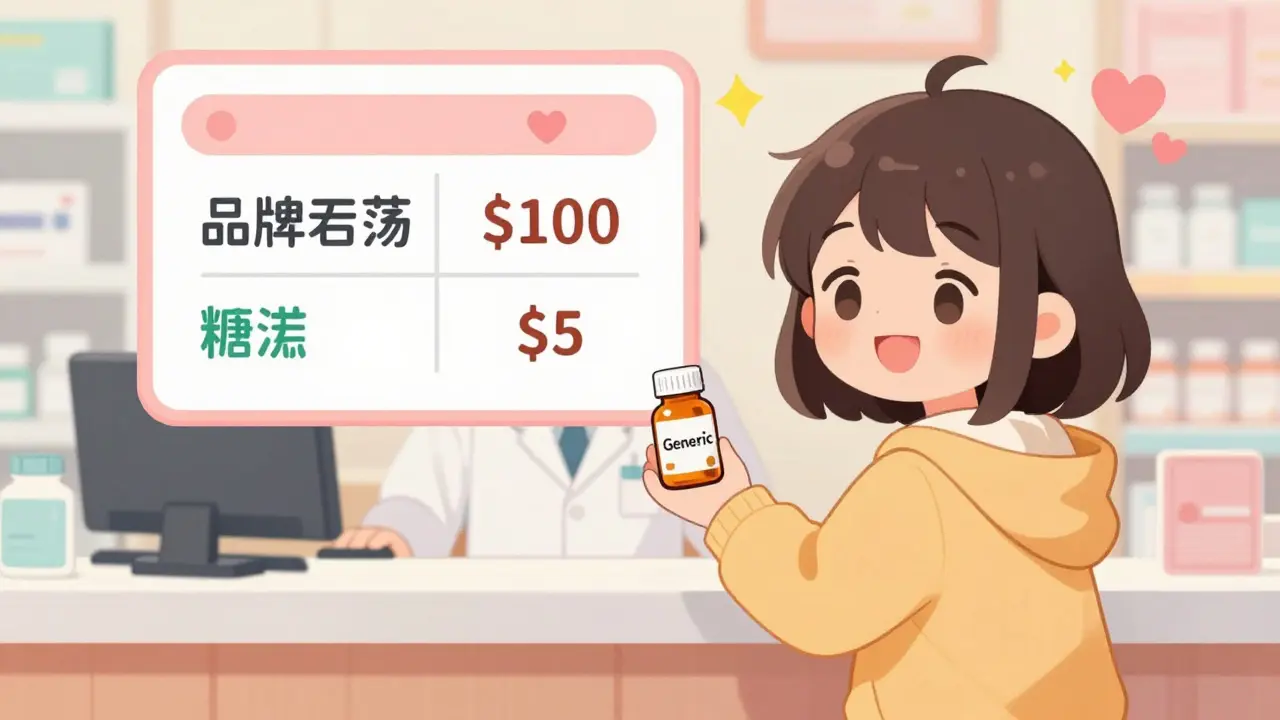
When you fill a prescription for high blood pressure or cholesterol, you might not realize that the pill in your hand could be a generic version of a brand-name drug you’ve heard advertised on TV. But here’s the real story: insurance benefit design is quietly reshaping how millions of Americans access medication - and it’s all built around one simple idea: generics are cheaper, and plans want you to use them.
Why Generics Are the Backbone of Insurance Cost Control
In 2022, 91.5% of all prescriptions filled in the U.S. were for generic drugs. That’s over 6.8 billion prescriptions. Yet, these generics accounted for just 22% of total drug spending. The math is clear: generics cost 80-85% less than their brand-name equivalents. For insurers and pharmacy benefit managers (PBMs), that’s not just a savings - it’s a strategy. This shift didn’t happen overnight. The Hatch-Waxman Act of 1984 created the legal pathway for generic drugs to enter the market by proving they’re bioequivalent to brand-name versions. Since then, insurers have layered on increasingly sophisticated rules to make sure patients choose the lower-cost option. The goal? Reduce out-of-pocket costs for plans, not just to save money, but to make coverage more sustainable for everyone.How Plans Push You Toward Generics
Insurance companies don’t just hope you’ll pick generics - they engineer the system to make it the easiest, cheapest, and sometimes only option.- Tiered formularies: Most plans have drug lists split into tiers. Generics sit in Tier 1, with copays as low as $0-$10 for a 30-day supply. Brand-name drugs? Tier 2 or 3, with copays of $25-$100 or more.
- Mandatory substitution: All 50 states allow pharmacists to swap a brand drug for a generic unless the doctor specifically says “do not substitute.” In practice, that means you’ll get the generic unless you push back.
- Step therapy: If your doctor prescribes a brand-name drug, your insurer might require you to try the generic first. If it doesn’t work, you can appeal - but 92% of Medicare Part D plans use this rule.
- Closed formularies: Some plans don’t cover brand-name drugs at all if a generic exists. A Medicare HMO study found this cut brand-name use by nearly 30%.
The Hidden Cost: When Savings Don’t Reach You
Here’s the catch: the savings from generics aren’t always passed on to you. Pharmacy benefit managers - the middlemen between insurers, pharmacies, and drugmakers - often use a practice called “spread pricing.” They collect a fixed copayment from you (say, $15), but only pay the pharmacy $8 for the generic. The $7 difference? That’s profit for the PBM. A 2022 USC Schaeffer Center study found patients were overpaying by $10-$15 per generic prescription because of this. And it gets worse. Some plans use “copay clawbacks,” where you pay a higher copay upfront, but your insurer later reimburses you - only if you file paperwork. Many people never do. A 2024 Department of Labor report found this left patients paying $15-$25 more than they should have. Even when your copay is $0, you’re not always getting the best price. A 2023 analysis of the Mark Cuban Cost Plus Drug Company showed that uninsured patients saved $4.96 per generic prescription by buying directly - without insurance. That’s because the PBM system adds layers of markup you never see.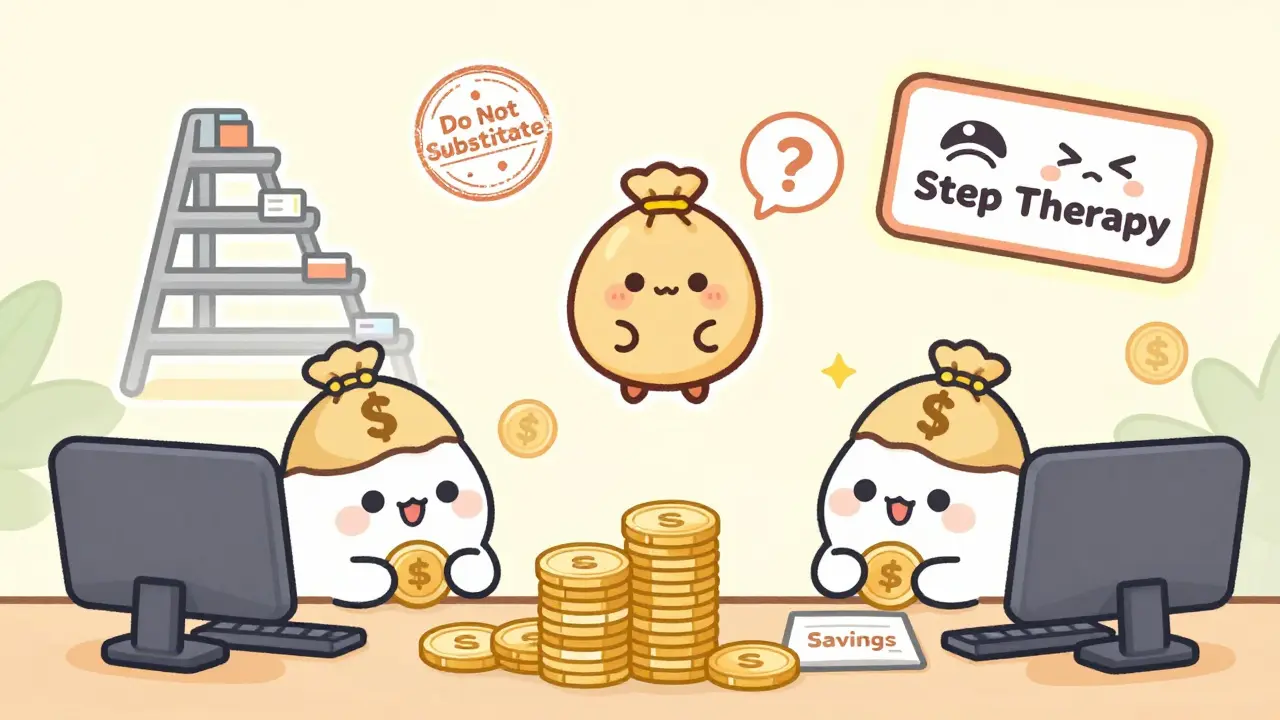
Who Benefits? Who Pays?
The system favors those who understand it. A Kaiser Family Foundation survey in early 2024 found 68% of Medicare Part D beneficiaries were satisfied with their generic coverage. But 22% struggled to get prior authorization for brand drugs, and 14% had to appeal multiple times. Self-insured employers - companies that pay for their own employees’ health claims instead of buying insurance - have been the most effective at cutting costs. A Johns Hopkins study found two large employers saved 9-15% on prescriptions by switching to generics without any drop in health outcomes. Meanwhile, the three biggest PBMs - CVS Caremark, OptumRx, and Express Scripts - control 83% of the market. They earn billions in rebates and discounts from drugmakers, but those savings rarely show up on your receipt. In 2022, PBMs secured $195 billion in rebates. The question is: who’s really getting that money?What’s Changing in 2025-2026?
New rules are forcing transparency. Starting January 1, 2025, all Explanation of Benefits (EOB) statements must break down exactly how much the insurer paid, how much you paid, and what the pharmacy received. No more hiding behind vague terms. The Inflation Reduction Act’s $2,000 annual out-of-pocket cap for Medicare Part D (effective January 2025) is also shifting incentives. Seniors no longer have to choose between their medication and other bills - so the pressure to use generics as a cost-control tool is easing slightly. And then there’s the GENEROUS Model, launching in 2026. This new Medicaid program will let the federal government negotiate prices for generics directly with manufacturers. If it works, it could cut Medicaid drug spending by $40 billion over ten years.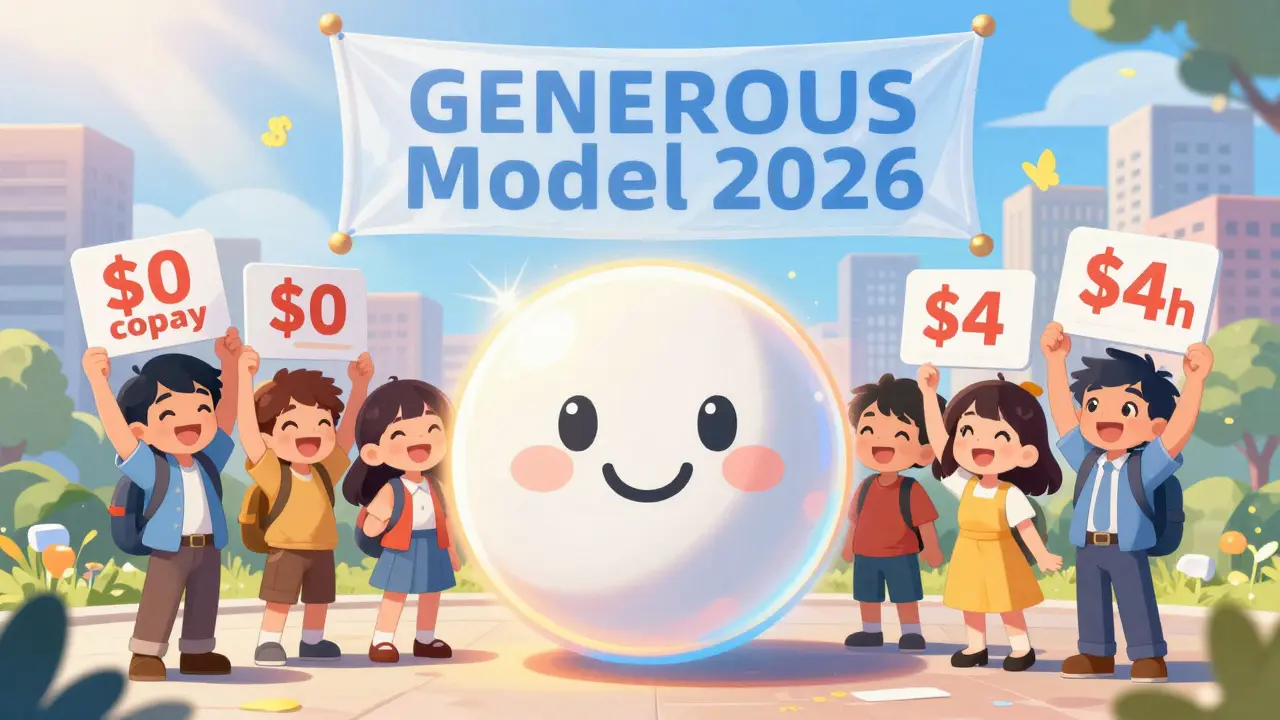
What You Can Do
If you’re on a health plan, here’s how to make sure you’re not overpaying:- Check your plan’s formulary - it’s online. Look for the tier of your medication.
- Ask your pharmacist: “Is there a generic available?” Even if your doctor prescribed a brand, they can often switch it.
- Ask your doctor: “Is there a therapeutically equivalent generic?” Some patients react differently - but 90% of the time, the answer is yes.
- Compare prices. Use GoodRx or the Mark Cuban Cost Plus Drug Company to see what the drug costs without insurance. Sometimes, paying cash is cheaper than your copay.
- Review your EOB statements after January 2025. If you paid $15 for a generic that costs $8 at the pharmacy, ask your insurer why.
The Bigger Picture
Generics aren’t just about saving money - they’re about access. In 2022, generic drugs saved the U.S. healthcare system $370 billion in a single year. Over the past decade, that’s $3.7 trillion. But if the system continues to funnel those savings into the pockets of intermediaries instead of patients, the long-term trust in insurance will erode. The goal should be simple: lower costs for patients, not just for insurers. The future of drug pricing isn’t about banning generics - it’s about making sure the savings from generics actually reach the people who need them most.Why are generic drugs so much cheaper than brand-name drugs?
Generic drugs cost less because they don’t require the same expensive research, clinical trials, and marketing as brand-name drugs. Once a brand-name drug’s patent expires (usually after 20 years), other companies can make the same medication using the same active ingredients. The FDA requires generics to be bioequivalent - meaning they work the same way in the body. Since there’s no need to recoup billions in R&D, generics can be sold at 80-85% lower prices.
Can my pharmacist substitute my brand-name drug with a generic without my doctor’s permission?
Yes, in 49 states, pharmacists can substitute a brand-name drug with a generic unless the doctor writes “dispense as written” or “no substitution.” Even if your prescription says the brand name, the pharmacist can legally switch it to the generic version. You’ll be notified if this happens, and you can ask to keep the brand if you prefer - but you’ll likely pay more.
Why did my generic drug copay go up even though generics are supposed to be cheaper?
Generic copays can increase if your insurance plan changes its formulary, or if the generic drug becomes harder to source. Sometimes, a generic is removed from Tier 1 and moved to Tier 2 due to supply shortages or new pricing deals between PBMs and manufacturers. Also, if your plan switched to coinsurance (a percentage of the drug cost instead of a fixed copay), your out-of-pocket cost may rise if the drug’s wholesale price increased.
Do all insurance plans use the same generic drug rules?
No. Medicare Part D plans must follow federal guidelines with tiered formularies, but each plan sets its own copay amounts. Medicaid varies by state - some have stricter substitution rules, others use reference pricing. Commercial plans are the most inconsistent: some offer $0 generic copays, others charge $20. Self-insured employers often design their own rules, and some have negotiated direct deals with pharmacies to bypass PBMs entirely.
Are generic drugs as safe and effective as brand-name drugs?
Yes. The FDA requires generics to meet the same quality, strength, purity, and performance standards as brand-name drugs. They use the same active ingredients and must be taken the same way. In rare cases, patients report side effects after switching - often due to inactive ingredients like fillers or dyes. If you notice changes after switching to a generic, talk to your doctor. But for 90% of people, generics work just as well.
What’s the difference between a PBM and an insurance company?
Your insurance company (like Blue Cross or Aetna) covers your medical care. A pharmacy benefit manager (PBM) - like CVS Caremark or Express Scripts - manages your drug coverage. PBMs negotiate prices with drugmakers, set formularies, process claims, and contract with pharmacies. They’re the middlemen who decide which drugs are covered and how much you pay. Many insurers own PBMs, which creates a conflict of interest: they profit from the gap between what you pay and what the pharmacy gets paid.
Will the new Medicare drug price negotiation rules affect generic drugs?
No. The Inflation Reduction Act’s drug price negotiation applies only to a small number of high-cost brand-name drugs - mostly for conditions like diabetes and heart disease. Generics are excluded because they’re already low-cost and competitive. However, the GENEROUS Model for Medicaid (launching in 2026) will directly negotiate prices for some generics, which could lower prices further in that program.
Can I save money by buying generics outside my insurance plan?
Sometimes. If your insurance copay is high or you haven’t met your deductible, buying a generic directly through a discount service like GoodRx or the Mark Cuban Cost Plus Drug Company can be cheaper. For example, a 30-day supply of metformin might cost $15 with insurance but only $4 without. Always compare the price on your insurance plan to the cash price before filling your prescription.




Rama Rish
March 23, 2026generics work fine for me. been taking them for years. no issues. save me like 80% on meds. why complicate it?