
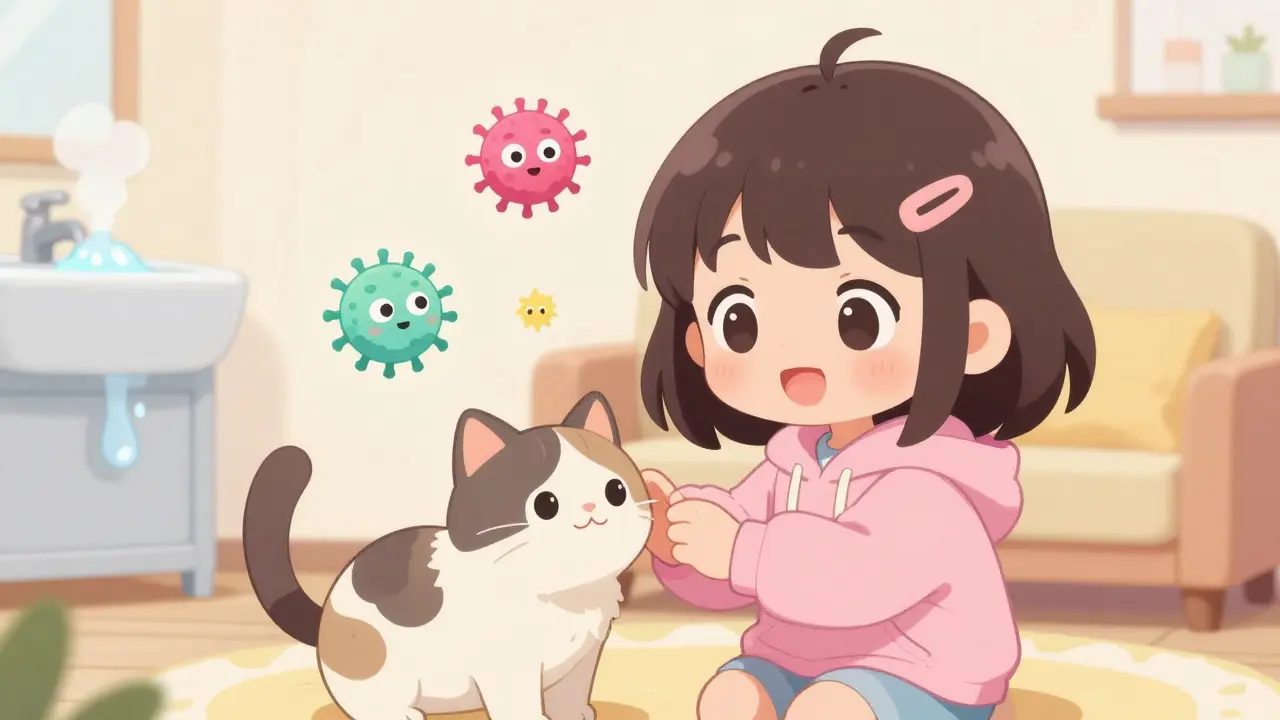
Zoonotic diseases are infections that jump from animals to people. They’re not rare outliers - they’re the norm. About 60% of all known infectious diseases in humans started in animals. And 75% of new diseases we’ve seen in the last 20 years came from wildlife or livestock. This isn’t science fiction. It’s happening right now, in backyards, farms, markets, and forests near you.
What Exactly Are Zoonotic Diseases?
A zoonotic disease, or zoonosis, is any illness caused by pathogens - viruses, bacteria, parasites, or fungi - that spread from animals to humans. The word comes from Greek: zoon means animal, and nosos means disease. These aren’t just about pets. They come from rodents, birds, reptiles, livestock, bats, ticks, mosquitoes, and even wild animals you’ve never touched.
Some of the most dangerous ones include:
- Rabies - spread by bites from infected dogs, bats, or raccoons. Once symptoms show, it’s almost always fatal.
- Salmonellosis - from handling pet turtles, reptiles, or eating undercooked chicken. Causes severe diarrhea, fever, and dehydration.
- Lyme disease - carried by ticks that latch onto dogs, deer, or rodents, then bite people.
- Avian flu (H5N1) - spreads from infected birds to humans, especially in live markets or poultry farms.
- Toxoplasmosis - from cat feces or undercooked meat. Can be deadly for pregnant women.
- Plague - still exists. Spread by fleas on rodents. Not just a medieval horror.
These aren’t distant threats. In 2023, a family in Wisconsin got sick after buying pet turtles. All four had salmonella. The two-year-old had to be hospitalized. In Minnesota, 17 people got campylobacter from touching reptiles. Every case was linked to direct contact. No one was eating the animals - they were just petting them.
How Do These Diseases Spread?
There are five main ways zoonotic diseases cross from animals to humans:
- Direct contact - touching, kissing, or being bitten by an infected animal. A vet in Ohio got anthrax from handling a dead cow. A child got ringworm from cuddling a cat with a patchy coat.
- Indirect contact - touching surfaces where animals have been. Cleaning a birdcage without gloves. Playing in soil where rodents urinated. Even petting zoos can be risky if hands aren’t washed.
- Vector-borne - through ticks, mosquitoes, or fleas. Lyme disease, West Nile virus, and plague all work this way. Ticks that feed on deer or mice can later bite you.
- Foodborne - eating undercooked meat, raw milk, or eggs from infected animals. The CDC says 1 in 6 Americans get sick from food each year. About 20% of those cases come from animal sources.
- Waterborne - drinking or swimming in water contaminated with animal waste. This is common in rural areas or after floods.
Here’s the scary part: you don’t need to be near a wild animal to be at risk. A pet turtle, a backyard chicken, or even your dog’s paws can carry pathogens. A 2022 survey of 1,200 pet owners found 23% had been exposed to a zoonotic disease. Most didn’t know how it happened until they got sick.
Why Are Zoonotic Diseases So Hard to Stop?
Unlike flu or COVID, which spread mostly between people, zoonotic diseases require a dual approach. You can’t just isolate patients or mask up. You have to track animals, monitor ecosystems, and protect habitats. That’s why only 38% of countries have proper systems to connect human health, animal health, and environmental data.
Take the 2014 Ebola outbreak. Over 11,000 people died. Experts later said if wildlife surveillance had been stronger - if they’d noticed sick bats or primates before humans got sick - the outbreak could have been contained. Same with Nipah virus in India. Delayed animal testing meant 17 people died from 23 cases. All could’ve been prevented.
And it’s getting worse. Land-use changes - like cutting down forests for farms or housing - force animals into closer contact with people. A 2020 study in Nature found 31% of new zoonotic diseases were linked to habitat loss. Another 25% came from expanding agriculture. Wildlife trade adds another 13%.
Climate change is making it worse too. Warmer temperatures let ticks and mosquitoes live in places they never could before. By 2050, the area suitable for Lyme disease in North America could grow by 45%. That means more people in cities, suburbs, and even northern states will be at risk.

Who’s at Highest Risk?
Not everyone is equally vulnerable. Certain groups face much higher exposure:
- Veterinarians - 8 times more likely to catch zoonotic diseases than the average person. One study found they’re regularly exposed to rabies, brucellosis, and Q fever.
- Poultry and livestock workers - 5.2 cases per 1,000 workers each year. Many get psittacosis from birds or leptospirosis from manure.
- Children under 5 - their immune systems are still developing. They’re also more likely to put hands in mouths after touching animals.
- Pregnant women - toxoplasmosis can cause miscarriage or birth defects. Listeria from undercooked meat can be deadly.
- People with weak immune systems - cancer patients, those on immunosuppressants, or people with HIV are at higher risk of severe illness.
And here’s the blind spot: doctors often miss these diseases. A 2023 report from the American Veterinary Medical Association found 68% of physicians in the U.S. have never received formal training on recognizing zoonotic symptoms. That means people sit in waiting rooms with fever, swollen lymph nodes, or rashes - and get treated for the flu, when it’s actually tularemia from a rabbit bite.
How to Protect Yourself - Practical Steps
You don’t need to avoid animals. But you do need to be smart. Here’s what actually works:
- Wash your hands - 20 seconds with soap and water, especially after touching animals, cleaning cages, or handling pet food. This cuts transmission by 90%.
- Wear gloves - when cleaning litter boxes, handling animal waste, or working with reptiles. A 2021 JAMA Internal Medicine study found gloves reduce risk by 85%.
- Cook meat properly - poultry to 165°F, ground beef to 160°F. Use a thermometer. Don’t guess.
- Don’t kiss pets - and don’t let them lick your face. Saliva carries bacteria like Pasteurella and Capnocytophaga.
- Keep pets healthy - vaccinate dogs and cats. Use flea and tick preventatives. Regular vet visits catch problems early.
- Avoid wild animals - don’t touch bats, raccoons, or deer. Don’t feed them. Don’t keep them as pets. They carry rabies, hantavirus, and more.
- Check for ticks - after hiking, gardening, or playing in grass. Remove them fast with tweezers. Don’t crush them.
- Don’t drink untreated water - especially if you’re near livestock or wildlife areas.
One success story: Uganda. In 2018, they launched a dog vaccination campaign. They reached 70% of the dog population. Within three years, human rabies cases dropped 92%. That’s not luck. It’s targeted action.
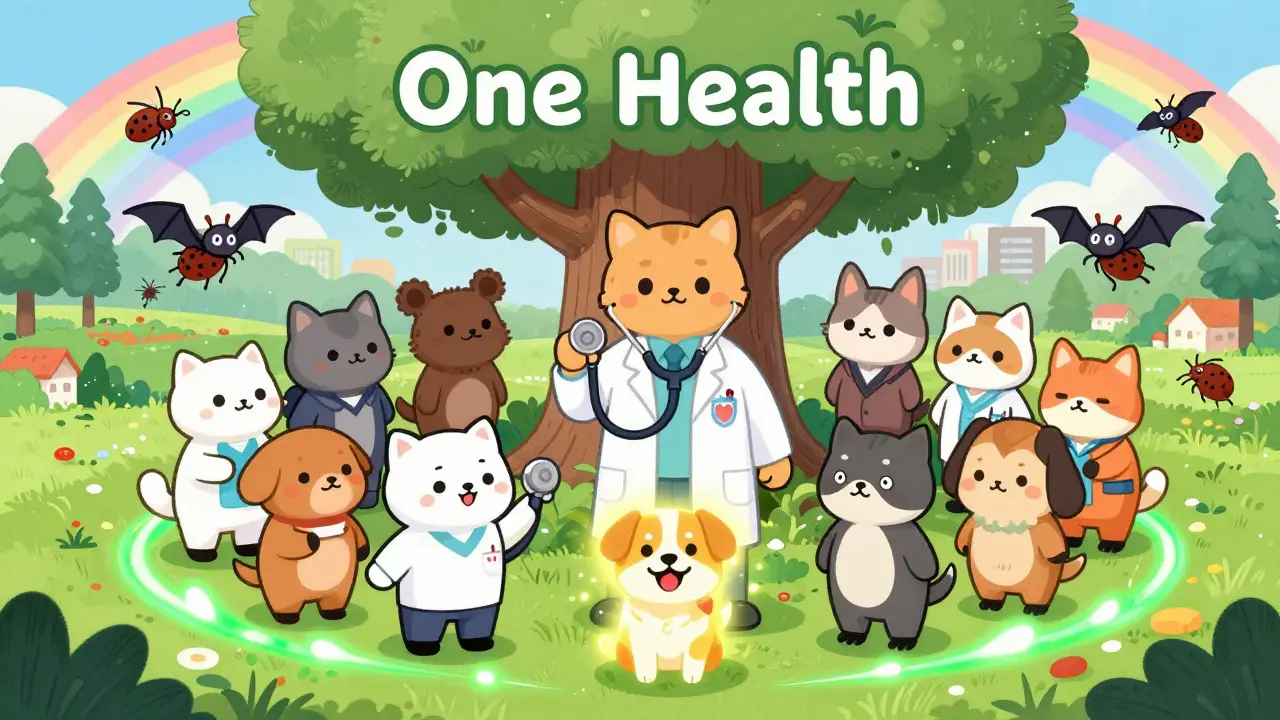
The Bigger Picture: One Health
The solution isn’t just about individual behavior. It’s about systems. That’s where One Health comes in. It’s the idea that human health, animal health, and environmental health are connected - and you can’t protect one without the others.
The CDC, WHO, and the UN are now investing billions into One Health networks. In 2023, the U.S. launched $25 million in university centers to train doctors, vets, and ecologists together. The goal? Spot outbreaks before they explode.
But progress is slow. Only 17% of countries have full coordination between health departments, farms, and wildlife agencies. Without that, we’re fighting diseases with one hand tied behind our back.
The cost of inaction? Over $100 billion per major pandemic. 2.7 million human deaths every year. And millions more with long-term illness.
And here’s the truth: we created this problem. We cleared forests. We crowded animals into factories. We traded wildlife like goods. Now we’re paying for it.
Frequently Asked Questions
Can you get zoonotic diseases from petting your dog or cat?
Yes. Even healthy-looking pets can carry germs. Ringworm, salmonella, and cat scratch disease are common. Always wash your hands after petting, especially before eating. Avoid letting pets lick your face or open wounds.
Are zoonotic diseases more dangerous than regular infections?
Some are. Rabies kills nearly 100% of people who show symptoms. Ebola has a 50%+ death rate. But many, like salmonella or Lyme disease, are treatable if caught early. The danger is that they’re often misdiagnosed because doctors aren’t trained to look for them.
Can you prevent zoonotic diseases with vaccines?
Only for a few. Rabies vaccines exist for dogs and humans. There’s a vaccine for plague, but it’s not widely used. For most zoonoses - like Lyme, leptospirosis, or hantavirus - no human vaccine exists. Prevention relies on behavior, not shots.
Why are reptiles risky as pets?
Reptiles like turtles, lizards, and snakes carry salmonella and campylobacter in their guts - even if they look clean. These germs don’t make them sick, but they can cause serious illness in humans. The CDC has banned sale of small turtles since 1975 for this reason. Still, many people buy them illegally or get them from breeders.
Is climate change making zoonotic diseases worse?
Absolutely. Warmer temperatures expand the range of ticks and mosquitoes. Lyme disease is now appearing in Canada and northern U.S. states that never had it before. Floods spread animal waste into water supplies. Droughts force animals to crowd around limited water, increasing disease spread. Climate change isn’t just about heat - it’s a disease multiplier.






Casey Tenney
March 21, 2026You think this is scary? I saw a kid in Walmart pet a turtle last week. No one stopped him. No one even blinked. Now we’re surprised when kids get sick? This isn’t a public health issue - it’s a moral failure.
Stop treating animals like toys. They’re not cute decorations. They’re vectors. And we’re the idiots letting them roam free.
Wash your hands? Please. That’s like telling people to wear seatbelts after they’ve been driving drunk for years.
We need a national ban on reptile pets. Full stop. No exceptions. No ‘but my kid loves it’ nonsense.
Every time someone says ‘it’s just a turtle,’ another child ends up in the hospital. And we call it an accident. It’s not. It’s negligence dressed up as love.