

Your kidneys work like high-tech coffee filters, scrubbing waste from your blood so your body stays clean. Imagine, however, if your own security team decided those filters were threats. That is exactly what happens with Glomerulonephritis, which is a condition where inflammation damages the kidney filters due to immune system misdirection. GN was first described systematically in 1877, but today we understand it as a spectrum of disorders affecting millions globally. It isn't just one illness; it is a collection of scenarios where the defense system goes rogue. If you or a loved one has received this diagnosis, understanding the mechanics behind it can reduce fear and improve management.
Key Takeaways
- Glomerulonephritis is an immune-mediated attack on the glomeruli, the filtering units of the kidneys.
- Symptoms range from visible blood in urine to severe swelling and high blood pressure.
- Diagnosis usually requires a kidney biopsy, which is specialized and carries small risks.
- Treatment balances suppressing immunity to stop damage while managing side effects like bone loss.
- New therapies targeting specific immune pathways show promise beyond traditional steroids.
The Filter Breakdown
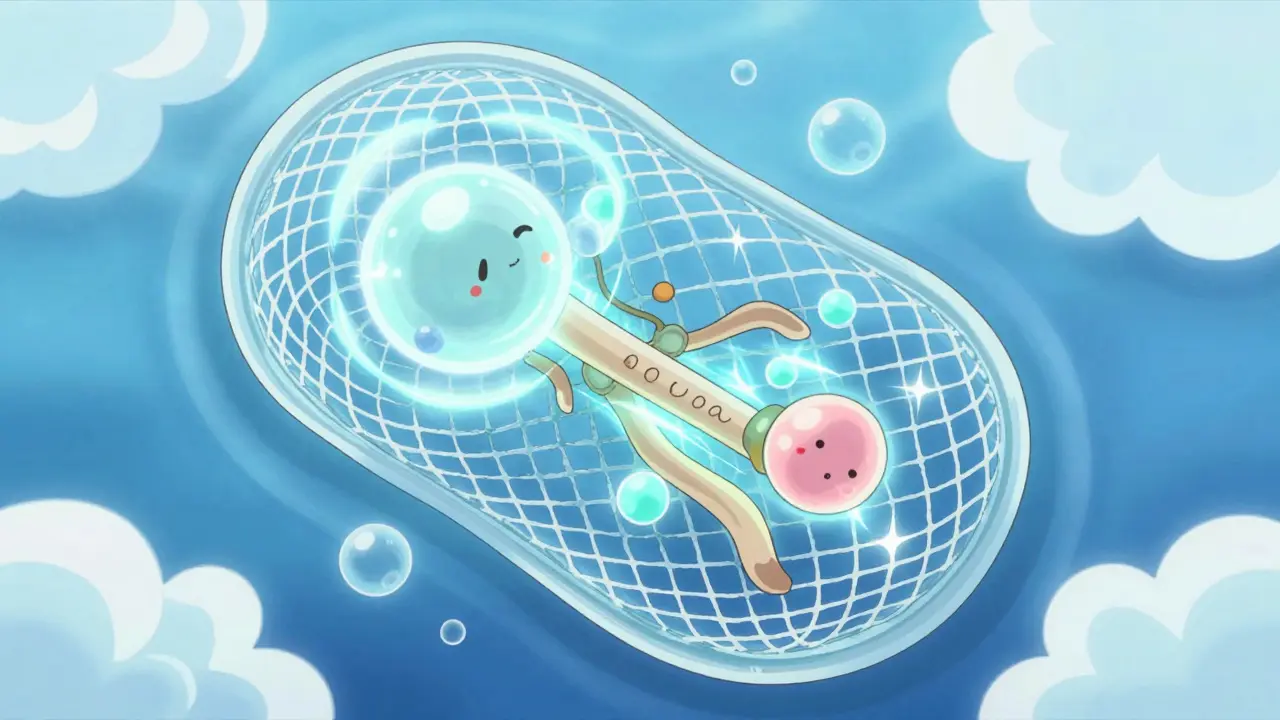
To understand why Glomerulonephritis is dangerous, you need to see what is actually broken. Inside each kidney, there are about a million microscopic sieves called Glomerulus, which is the tiny capillary ball responsible for filtering blood to produce urine. Kidney. These structures rely on a delicate barrier made of three layers. Think of it like a strainer with mesh, rubber, and netting. The inner lining holds cells called endothelial cells, the middle is a glue-like basement membrane, and the outer layer is covered by visceral epithelial cells known as podocytes.
When the immune system malfunctions, it targets parts of this barrier. According to Nature Reviews Immunology, damage here causes protein to leak into the urine instead of staying in the blood. We call this proteinuria. Normal urine shouldn't have much protein, but in active GN, patients might lose over 3.5 grams of protein a day. Without enough protein, blood leaks out too, leading to swelling, or edema. This mechanical failure forces the kidneys to struggle, raising creatinine levels in the blood and potentially causing hypertension.
Why the Body Attacks
This condition doesn't happen randomly. It stems from how the body handles invaders. In many cases, the immune system creates antibodies to fight an infection, like strep throat, but gets stuck attached to the kidney tissue. This is called immune complex deposition. Another mechanism involves the complement system, a network of proteins meant to kill bacteria but which can overheat and burn the kidney filters if uncontrolled.
Research shows distinct differences in these types. For example, C3 Glomerulonephritis involves a primary dysregulation of the alternative complement pathway, whereas IgA Nephropathy involves deposits of antibody A. Approximately 60% of C3G cases involve acquired autoantibodies called C3 nephritic factor. These technical distinctions matter because they dictate treatment. If the problem is an autoimmune error, simply killing germs won't help; you must calm the immune response.
| Feature | Nephritic Syndrome | Nephrotic Syndrome |
|---|---|---|
| Primary Symptom | Blood in urine (hematuria) | Massive protein in urine |
| Swelling | Mild | Severe (Edema) |
| Urine Appearance | Coca-cola colored | Frothy/Bubbles |
| Typical Cause | Acute Infection or Post-strep | Membranous GN or FSGS |
Recognizing the Symptoms
You might not notice GN immediately because the kidneys have a lot of backup capacity. By the time signs appear, however, the damage is often measurable. The most common clue is changes in urine. Some people wake up to find a brown or cola-colored toilet water, indicating hematuria. Others notice frothy bubbles that don't disappear after flushing, signaling protein loss.
Patient surveys reveal that fatigue is the most reported debilitating symptom, affecting about 65% of people living with this condition. This isn't normal tiredness; it is the exhaustion that comes from anemia caused by chronic kidney inflammation. Many also report swollen ankles or puffy eyes upon waking, which is fluid accumulating under the skin. High blood pressure is another red flag, often appearing suddenly in younger adults without prior history.
There are two main presentations. Nephritic syndrome looks like acute inflammation with drops in urine output and rising creatinine levels by 1.5 to 3.0 mg/dL. Nephrotic syndrome presents differently with low blood albumin, high cholesterol, and significant water retention. Recognizing these patterns helps doctors decide how urgently to act.
The Diagnostic Journey
Getting answers often takes time. On average, patients wait about four months from symptom onset to a confirmed diagnosis. Blood tests alone usually aren't enough to confirm the specific type of GN. That is why a kidney biopsy remains the gold standard. This procedure involves taking a tiny sample of kidney tissue to examine under a microscope.
A biopsy carries small risks, including bleeding or pain, occurring in 3-5% of cases according to American Society of Nephrology guidelines. However, knowing the exact subtype is vital. For instance, distinguishing between post-streptococcal GN, which often resolves on its own in children, and membranoproliferative GN, which may need aggressive treatment, changes everything. Nephropathologists require years of training to read these slides accurately, identifying features like electron-dense deposits seen in 95% of immune-complex cases.

Treatment Strategies
The goal is to stop the inflammation without wiping out your ability to fight real infections. Historically, corticosteroids like prednisone have been the go-to therapy. They suppress the immune system quickly. About 60-80% of patients respond initially, but roughly half face significant side effects later. These include weight gain, increased risk of infection, and bone density loss, with some patients suffering fractures.
Newer approaches aim for precision. Drugs like rituximab target specific B-cells rather than the whole system. In February 2023, the FDA designated iptacopan as a breakthrough therapy for C3G, showing a 52% reduction in proteinuria compared to placebo. While effective, these drugs are expensive, costing up to $500,000 annually per patient in some markets. Guidelines suggest trying standard therapy for six months before switching to novel agents, monitoring serum creatinine every two weeks during this trial.
Access remains a major hurdle. Patients in lower-income regions face a 90% gap in access to advanced diagnostics compared to high-income countries. If you are navigating this, ask about clinical trials. The NEPTUNE study documented that tailored care plans significantly improved outcomes for those enrolled.
Living with Chronic GN
For many, this becomes a long-term management journey. Diet plays a supportive role. Reducing salt intake helps control blood pressure and reduces fluid retention. Monitoring protein intake ensures you replace what you lose without overworking the kidneys. Regular checks with your nephrologist are essential, typically involving monthly proteinuria tests and periodic creatinine labs.
Support systems matter. Online forums show that anxiety about progression affects over half of patients. Connecting with others facing similar challenges provides practical tips for managing fatigue and medication schedules. Remember, prognosis varies wildly. Post-streptococcal GN in children has a 95% recovery rate within eight weeks, whereas untreated lupus nephritis could compromise kidney survival within ten years. Early intervention drastically shifts these odds in your favor.
Frequently Asked Questions
Is Glomerulonephritis curable?
It depends on the cause. Acute forms like post-streptococcal GN often resolve completely with rest and antibiotics. Chronic forms require long-term management to prevent kidney failure, but quality of life can be maintained with proper treatment.
What foods should I avoid?
Limit processed foods high in sodium to manage blood pressure and swelling. Depending on your potassium and phosphorus levels, your doctor may also restrict bananas, dairy, or leafy greens.
Can stress worsen kidney symptoms?
Yes, chronic stress can raise blood pressure and trigger inflammatory responses. Managing mental health through counseling or relaxation techniques supports overall kidney health.
Do I need to stop exercising?
Moderate activity is beneficial. Avoid contact sports if your blood pressure is unstable or if you have recent bleeding risks from biopsy, otherwise stay active to maintain cardiovascular health.
How often should I see my nephrologist?
Frequency depends on stability. During active treatment, visits might be monthly. Once stable, every 3 to 6 months is standard for checking kidney function and adjusting medications.






Monique Ball
March 26, 2026This really hits home for me! My cousin had similar issues back in the year! It was scary watching them struggle with the diagnosis!! But knowledge helps so much when you understand the basics!!! The part about immune complexes is key to understanding why this happens!! You can actually see the damage if you look closely at the urine!! Proteinuria is a huge sign too that should not be ignored!! Doctors often miss it early on because symptoms hide!! We need better screening protocols everywhere to catch it sooner! Early detection saves so many lives before permanent damage sets in!! Please share this widely to spread awareness!! Education is power for patients dealing with chronic conditions!!!! Thank you for writing this detailed guide for us to read! Stay strong everyone fighting this battle every single day! 💪🏥 Hope everyone feels heard today and supported in this journey!!! We must support each other through this difficult journey together!